

iPhone Troubles? Our Go-To Guide for All Your iPhone Issues

offer_banner_mobile
All Posts

To paraphrase the famous sonnet, there’s no end to the ways we love our iPhones. We love them as music players, as web browsers, as schedulers, and note-takers. We use them to check stock prices, for directions, even to find romance – not to mention communication.

Since Apple released the first-generation iPhone (11 years ago!), the tech giant has been working tirelessly to make the world’s most popular smartphone indispensable to us all – and they’ve largely succeeded. It’s hard to imagine getting through the day without one.

Unfortunately, our pocketside assistants aren’t infallible. It’s not uncommon to find your iPhone not working quite as you’d like – and with such a complicated piece of equipment, the occasional hitch can be expected.

Here at Puls we specialize in fixing phones of all stripes, but we’ve got a special place in our hearts for iPhone repair. We’ve got tons of repair opportunities for the latest iPhone X and iPhone 8 models, as well as all the iPhone troubleshooting tips for classic models like the iPhone 6 or iPhone 7.

It only takes a few seconds to pick a time slot for a certified Puls technician to visit you wherever you like: at home, the office – even the gym. Whether you need of an iPhone screen repair, a new iPhone battery or another form of iPhone repair, our team of professionals would be happy to fix it for you. But before you book an appointment to call in the experts, there are a few iPhone troubleshooting tips you can try on your own.

If you think you’ve got a broken iPhone on your hands, try out our handy iPhone troubleshooting guides.  Want to learn how to clean your iPhone? We cover that, too. We’ve compiled a comprehensive list of common iPhone problems and solutions that can sometimes be fixed with something as simple as an iOS update.

Book your repair now

iPhone can’t make or receive calls

iPhone can't make or receive calls

Our iPhones are great for lots of things – but that doesn’t mean we don’t still need them for their primary function, making phone calls. When it’s time to get back to basics, we’ve got you covered. Whether it’s how to improve cell reception, or if you’re having trouble with the Phone app, check out our list of quick fixes to get you dialing again in no time flat.

In our iPhone calling guide, we walk you through a series of iPhone troubleshooting tips from making sure your network settings are all in order to making sure your software is up to date.


iPhone is not sending text messages

iPhone is not sending text messages

Perhaps even more essential than dialing out is making sure that you’re able to send and receive text messages. There are a few simple reasons why your iPhone’s Message app might appear not to work, but in fact, it could be easily fixed with a few changes to your network or other settings.

In our iPhone messaging guide, we walk you through the ways to narrow down and pinpoint the issue. Spoiler alert: if you’ve got several devices synced up, we’ve got a quick way to help!

What about the other option, that your iPhone is not receiving text messages? We've got an in-depth answer for that, too.

Fix my phone

Where are you, Siri?

iPhone Siri troubleshooting

Growing up, we may have had an imaginary friend. Today, we have Siri. And we have to admit, the iPhone smart assistant is a lot more helpful – and most definitely real!

If it feels like Siri has disappeared on you, fear not. There are different reasons why Siri may have gone into hiding, depending on whether you have an iPhone 6, or iPhone 7 model or newer.

Software updates can also cause a temporary disappearance. In our comprehensive post on Siri, we help you narrow down the problem – whether you want to wake Siri back up or simply optimize your search settings.


My iPhone is overheating

iPhone overheating: learn what to do

Apple’s flagship device is hot – but it shouldn’t be too hot to handle. It’s not just uncomfortable if your iPhone is overheating, it can be bad for the device’s long-term health, as well.

Fortunately, overheating doesn’t necessarily mean a broken iPhone. Turn to our blog post entitled, “iPhone overheating? Here’s what you can do” for tips on monitoring your iPhone’s temperature and keeping it within the ideal range, as well as all the steps you can take to keep your iPhone cool in the future.


Cracked iPhone screen

cracked iPhone screen

It might seem straightforward enough, but a cracked iPhone screen isn’t a simple matter. What you do in the moments following that dreaded crunching sound can make all the difference in the overall health of your device.

In our blog post on “Damage prevention: what to do with a cracked iPhone screen,” we walk you through the damage assessment, and what you can do to protect your phone’s now-vulnerable insides and prevent the problem from getting worse. And while we definitely don’t dispense medical advice, we even have a few tips on how to handle a cracked iPhone screen while minimizing risk to your fingertips.

Just for fun, we also write about how to avoid a shattered screen in special circumstances, like New Year's, at the Super Bowl, and at a music festival like SXSW.

Book your repair now 

My iPhone is not turning on

iPhone 8 won't turn on

Photo Credit: 9to5Mac

Okay, if you’re going to tear it up on PUBG Mobile, you’re gonna need to power on your iPhone first. But, follow our iPhone troubleshooting tips in our post “Help! My iPhone won’t turn on,” and we’ll have you back on the battlefield in no time flat.

After all, just because your iPhone won’t turn on, it doesn’t mean it’s completely broken. Whether your phone has overheated, you have an iPhone not charging as it should, or you simply need a soft reset, we’ve got a great list of resources for you to take advantage of before calling in the big guns.


iPhone common update errors and solutions

iPhone common update errors and solutions

If your iPhone update doesn’t go as seamlessly as planned, you don’t have to chuck the device into the trash bin. The latest updates in iOS 11 have come with their share of minor glitches, but we’ve got a list of the common ones – as well as simple solutions to get your phone running smoothly again. You can also look for further updates as Apple releases iOS 12 in beta version, and, of course, we’ll have everything you need to know when the new iOS 12 rolls out in full force this fall.


My iPhone is not charging

my iPhone is not charging

Nothing induces panic quite like an iPhone not charging. It can be excruciating to watch that battery drain with seemingly no hope of replenishing it. Of course, you’re not alone. In our post called “Help! My iPhone won’t charge when plugged in,” we help you narrow down the issue methodically to help you see if the culprit is a broken charger, a blocked port, or a software issue.
Fix my phone


iPhone touchscreen common problems

iPhone touchscreen common problems

If your spouse is unresponsive, there’s not much we can do. If your iPhone screen is unresponsive, on the other hand, we’ve got a comprehensive list of iPhone touchscreen common problems and solutions.

Find out whether the problem lies in the software, hardware, or even the weather outside. And we say this without a hint of judgment – but if your iPhone touchscreen is giving you problems, you might just have to wash your hands!


How to recover lost data on iPhone
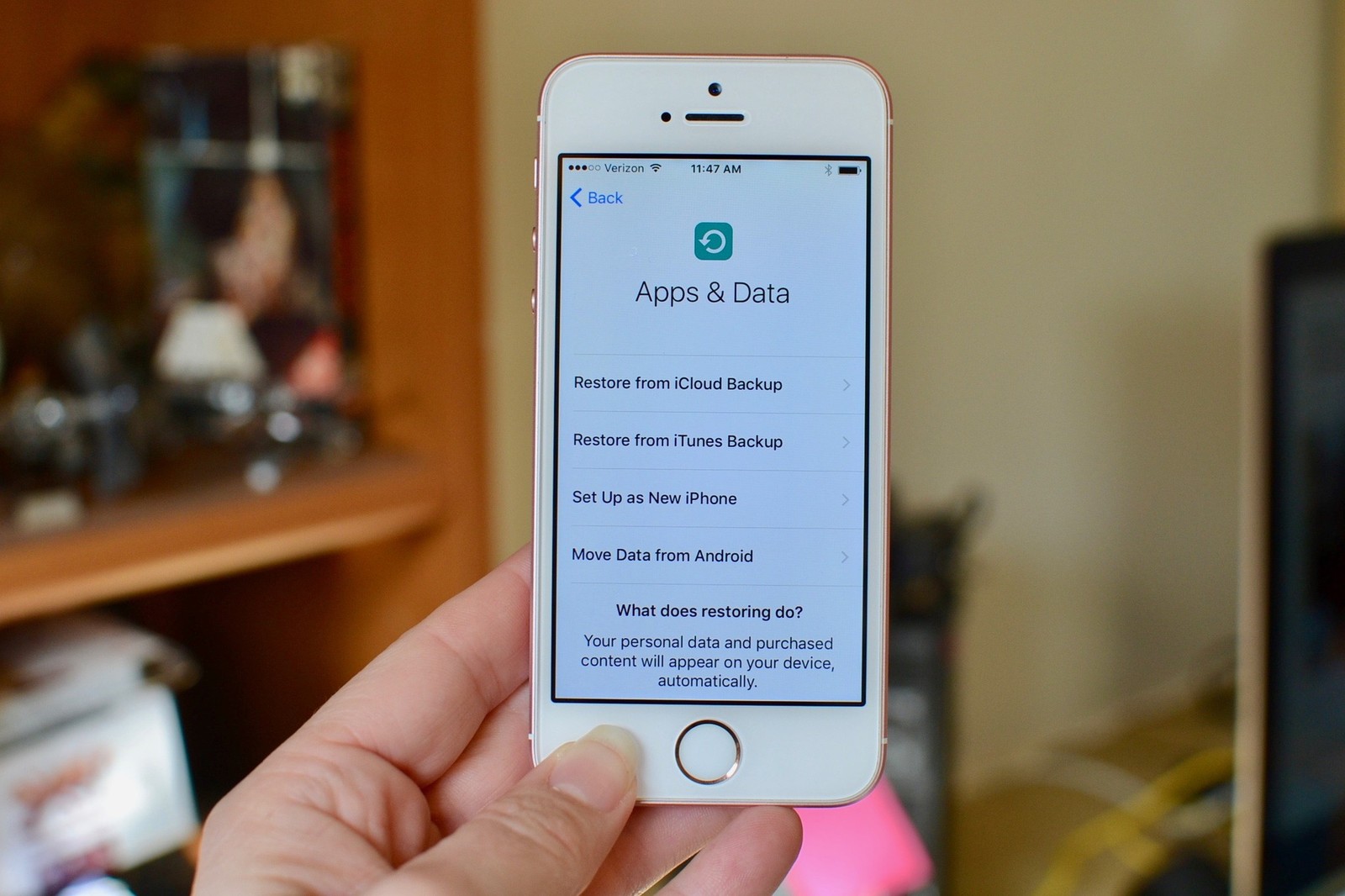
how to recover lost data on iPhone

Photo Credit: iMore

There may be no magic way – short of third-party iPhone data recovery software – for recovering lost data on your iPhone, at least if you don’t think ahead. That said, if you take the proper steps ahead of time, you’ll never have to worry about lost texts, apps, photos, and more ever again.

In our post on how to recover lost data on iPhones, we help you ensure that your data is protected. It’s easy to do, doesn’t take up a lot of time, and the payoffs are huge. Check out this post and learn the best ways to backup your iPhone data (you’ve got a solid few options!) and save yourself a lot of potential heartache in the future.


Keep your finger on the Puls

Puls iPhone repair technicianStay tuned for more iPhone troubleshooting tips, updates, and tech news at our blog, The Beat, and if you’ve gone through the listed steps and still need an iPhone repair, you can book an appointment and have a Puls technician visit you onsite to take care of the problem.

And remember, all of our parts and services come with a lifetime guarantee! Click here to get $5 off your first service with us.


Book your repair now

Jake S.
Jake Sherman is a professional writer with a background in journalism. He is fascinated by home appliances and how they work. He enjoys breaking down complex topics and explaining them in interesting ways. He has been a Puls staff writer for two years. When he's not writing, he enjoys trotting around the globe, trying unfamiliar foods, and testing unmarked doors to see if they're locked.
Related Posts

Home maintenance can feel overwhelming when it’s framed as one endless checklist. When everything seems important at once, it’s easy to delay action altogether and hope nothing urgent pops up. A room-by-room strategy makes home care feel more manageable. Instead of thinking about your home as one big project, you focus on individual spaces. This makes it easier to notice small changes, address issues early, and avoid the kind of problems that grow quietly over time. Kitchen: Where Wear and Tear Adds Up Fast Kitchens combine water, electricity, heat, and daily use, which naturally increases the chances of things wearing down. Under-sink leaks, loose outlets, and aging fixtures are common early warning signs. Because many kitchen components are tucked away inside cabinets, small problems often stay hidden until damage spreads. Catching these issues early keeps repairs simpler, faster, and far less expensive. Bathrooms: Constant Moisture, Constant Risk Bathrooms deal with daily humidity, which puts ongoing stress on plumbing connections, fixtures, and surfaces. Slow drains, loose faucets, or subtle discoloration around fixtures are often the first signs that something needs attention. Moisture-related issues rarely resolve on their own. Addressing them early helps prevent mold growth, water damage, and structural problems that can disrupt your home and budget. Living Areas: Subtle Signals Matter In living rooms and bedrooms, maintenance issues often show up visually or electrically. Small wall cracks, flickering lights, or loose mounted items can indicate settling, wiring wear, or anchor problems inside the walls. Because these changes happen gradually, they’re easy to normalize. Paying attention early keeps fixes straightforward and prevents damage from spreading behind the scenes. Entryways and Hallways: High Traffic, High Stress Doors, frames, and walls in high-traffic areas experience constant movement and pressure. Sticking doors or shifting frames can be early signs of alignment issues or normal structural movement that needs adjustment. Handling these issues early keeps everyday wear from turning into long-term damage that affects multiple rooms. Laundry Areas: Small Spaces, Big Impact Laundry hookups are one of the most common sources of unnoticed leaks. Hoses, valves, and drains wear down slowly, and even minor drips can lead to significant water damage if left unchecked. Because laundry areas are often out of sight, problems here tend to go unnoticed longer than they should. Regular inspection and timely service can prevent costly flooring and wall repairs. Why a Room-by-Room Approach Works Breaking maintenance down by room helps homeowners feel more in control of their home. It creates a natural rhythm for checking key areas without feeling like everything needs attention at once. This approach also makes it easier to prioritize. Rooms with water, electricity, or heavy use naturally deserve more frequent attention than low-impact spaces. How This Strategy Helps With Budgeting Room-based maintenance spreads costs out over time instead of letting them pile up into emergency repairs. Small, planned fixes are easier to budget for than sudden, expensive problems. Homeowners who take this approach often find they spend less overall—not because they avoid repairs, but because they handle them at the right moment. Peace of Mind Comes From Knowing What’s Normal When you check your home consistently, you start to recognize what’s normal and what’s new. That awareness makes it easier to spot issues early and take action without panic. Instead of wondering whether something has “always been like that,” you can make informed decisions with confidence. Where Professional Help Makes the Biggest Difference Professional technicians understand how issues in one room can affect the rest of the home. A trained eye can spot early warning signs that aren’t obvious to homeowners. Puls technicians can inspect multiple areas efficiently and handle repairs across rooms and systems, making it easier to stay ahead of maintenance without juggling multiple service providers. Why Proactive Service Is Easier Than Reactive Repairs Emergency repairs often come with stress, scheduling pressure, and limited options. Proactive service allows homeowners to plan repairs around their schedule and avoid last-minute decisions. Calling a Puls tech early helps keep home maintenance predictable, manageable, and far less disruptive. Consistency Beats Perfection Home care isn’t about fixing everything at once or chasing an ideal standard. It’s about steady attention and timely action. A professional-first, room-by-room approach keeps your home running smoothly, protects its value, and helps you avoid costly surprises down the line.

  • 5 min read
  • 05/04/26

Staying on top of home maintenance doesn’t have to feel like a constant project. Most homeowners don’t need more reminders—they need a simpler way to organize what already matters. That’s where a monthly home maintenance calendar comes in. Instead of reacting to issues or juggling long checklists, a calendar-based approach creates a steady rhythm that keeps your home running smoothly throughout the year. Why Monthly Planning Feels Easier Big seasonal lists tend to show up all at once and demand attention when life is already busy. Monthly planning spreads things out so nothing feels urgent or overwhelming. When you know exactly what to focus on each month, home care becomes more predictable—and much easier to fit into real life. How the Puls Home Maintenance Calendar Is Structured The Puls home maintenance calendar is designed to reduce mental load, not add to it. Each month focuses on just three types of tasks, keeping things clear and manageable: Quick Wins Seasonal Must-Dos Call in a Pro Tasks This structure ensures that important maintenance stays on track without turning home care into a full-time job. Quick Wins: Light Tasks That Keep Things on Track Quick wins are small, low-effort actions that help maintain comfort and performance around the home. They’re designed to be fast, easy to remember, and satisfying to complete. These tasks help homeowners feel like they’re staying ahead without committing large amounts of time or energy. Seasonal Must-Dos: Staying in Sync With the Year Every season brings small shifts in how a home is used. Seasonal must-dos help align your home with those changes in a calm, planned way. Because these tasks are anticipated in advance, they don’t come with urgency or stress. They simply support comfort, efficiency, and everyday use as the year progresses. Call in a Pro: Built-In Professional Support Some maintenance tasks are best handled by a professional—not because something is wrong, but because it’s easier and more reliable that way. Each month includes at least one Call in a Pro task, giving homeowners a clear moment to bring in expert help and keep things handled properly without guesswork. Puls technicians fit seamlessly into this system, handling professional tasks efficiently and helping homeowners stay consistent without juggling multiple providers. Why This System Reduces Stress With only three task types to think about, maintenance stays focused and manageable. There’s no pressure to do everything at once, and no feeling that something critical is being missed. Homeowners following a calendar-based approach often feel more confident simply because they know what’s coming next. Consistency Without Perfection This system doesn’t rely on doing everything perfectly. Missing a task one month doesn’t derail anything—the calendar simply brings your focus back the next month. That flexibility is what makes monthly maintenance sustainable and realistic over time. A Calmer, More Organized Way to Care for Your Home When maintenance is predictable and supported, it stops feeling like a chore. It becomes part of the background—quietly supporting comfort, safety, and daily life. A monthly home maintenance calendar turns home care into a steady rhythm, and with Puls technicians available for professional tasks, staying on top of your home feels simple, not stressful.

  • 4 min read
  • 03/23/26

Even in mild climates, decks and fences are exposed to the elements every day. Sunlight fades color and weakens coatings, humidity causes wood to expand and contract, and soil movement shifts posts and support beams. Over time, this wear and tear leads to cracks, discoloration, and loose boards that can compromise safety and appearance.

  • 12 min read
  • 10/28/25