

iPhone Can’t Make Or Receive Calls? Here's What You Can Do

offer_banner_mobile
All Posts

Our phones have become such a multipurpose tool that we sometimes forget what they were originally designed for. Imagine this scenario – you’re was well into the afternoon before you realized that your iPhone wasn’t able to dial out. You’ve been heavily relying on data and WiFi, using a variety of texting apps, checking your email, and searching the internet for a whole slew of unimportant trivia before even noticing the glitch.

This issue is common enough that Apple dedicates a whole support page to it. There are a whole range of fixes there, so if your iPhone can’t make or receive calls, the problem is hardly insurmountable.

Usually some quick troubleshooting will do the trick. It works for most of us – a quick software update and you’ll be yammering away like there wasn’t a problem in the first place.

We spent some time searching and narrowing down the issue, so we thought we’d compile this quick and easy troubleshooting guide for what to do if an iPhone can’t make or receive calls. If it works for you, feel free to pay it forward – send it along to someone else in need and collect your good karma. And so, without further ado, here’s what to do if your iPhone telephone app isn’t working.

Fix my phone  Use coupon code "TAKE10" to get 10% OFF!


Check your settings

check your settings on iPhone

Often times, adjusting your iPhone settings will set things right. Try this series of steps, and give it a test after each step.

Turn your phone onto airplane mode, wait a few seconds, and then turn airplane mode off again.

Have a look at your do not disturb settings. If it’s on, switch it back off.

Check your call forwarding settings by going to Settings > Phone > Call forwarding. If it’s turned on, shut it to resume receiving calls on your device.

There’s also a chance that if a person is trying to get a hold of you and can’t their number might be blocked accidentally. You can adjust these settings via Settings > Phone > Call blocking & identification.

Fix my phone  Use coupon code "TAKE10" to get 10% OFF!


Update your software
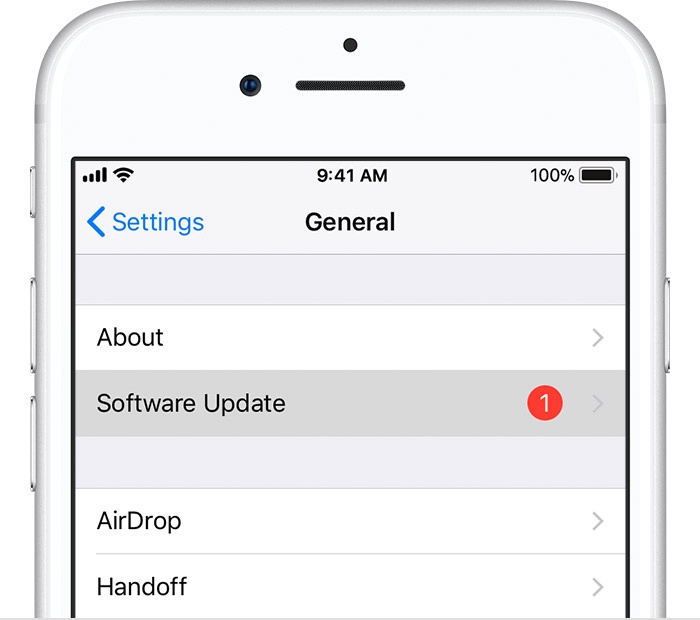
 software updatePhoto Credit: Apple

This worked for us. Occasionally, updating your iOS version or your carrier settings can be necessary before making or receiving calls.

Carrier settings make sure that your phone is operating properly on your network, and do need to be updated from time to time. To update your carrier settings, simply go to Settings > General > About.

If there is an update available, the option to update will appear here. Also by going to Settings > General > About, you can see which version of your carrier settings that you’re running on your device.

Bear in mind that if you install a new SIM card, it’s necessary for phone functionality for you to update your carrier settings before making a call.

You can also update your iOS by going to Settings > General > Software update. Tap Download and Install. This will begin the installation process. A message may pop up asking if the iOS update process can temporarily remove your apps.

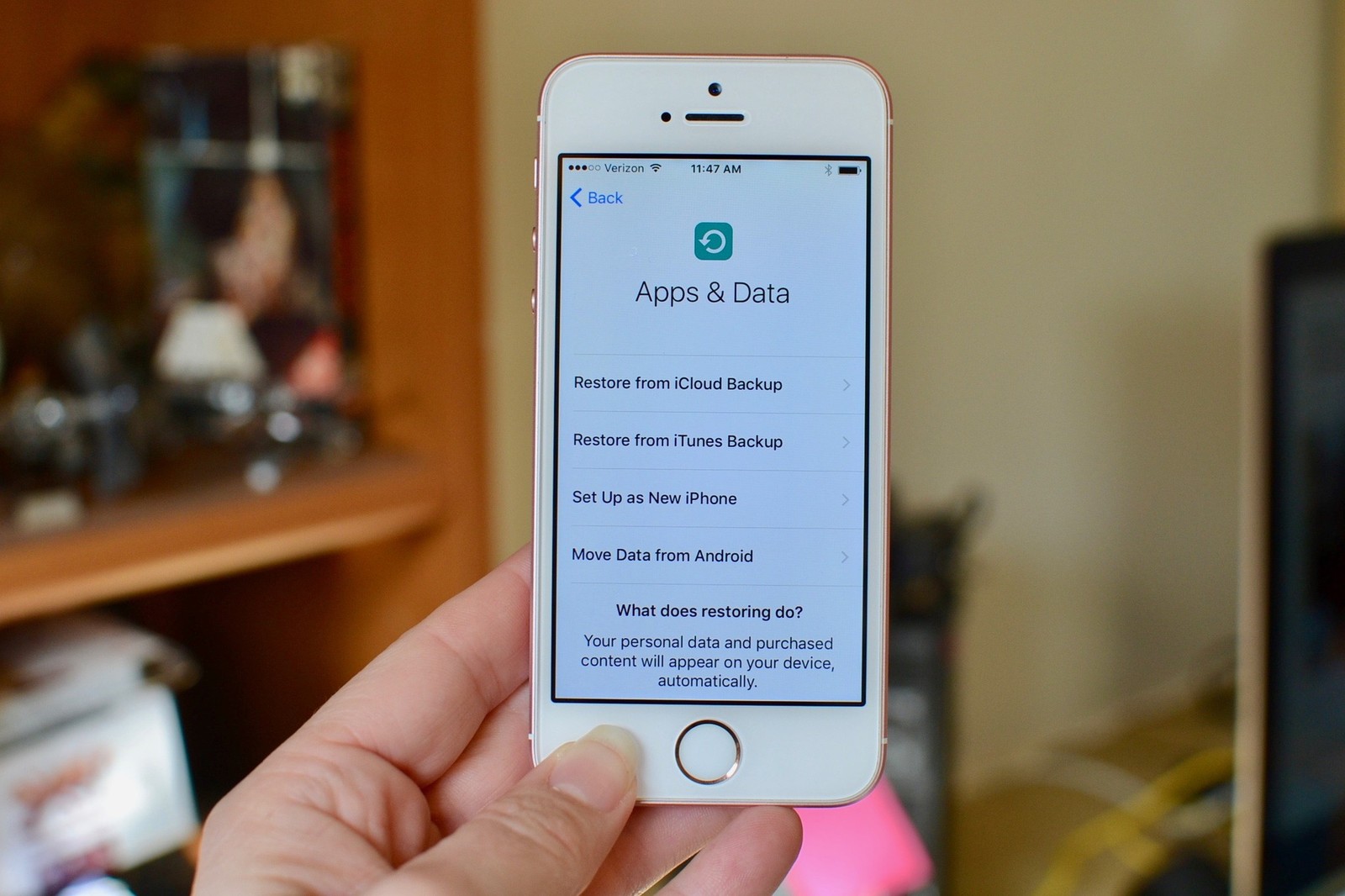
Though this is just a temporary step, you might want to back up your iPhone before proceeding. After backing everything up, you can go back to Download and Install, and click Continue.

You can also update your iOS via iTunes on your computer. Just connect your iPhone to your Mac or PC, open iTunes, select your device from the left side bar, and click Summary. Then, in the open window, click Check for Update. If an update is available, you can click Download and Update.


Network settings
network settings: backing up data

Photo Credit: iMore

If none of the above steps worked, it’s possible that the issue has to do with your network settings. To reset these settings, go to Settings > General > Reset > Reset network settings. However, bear in mind that resetting your network settings will erase all saved settings such as WiFi passwords, VPN settings and the like.

You can also try to make a call in another location, to see if the problem is network connectivity. And finally, you can also try to connect to a different network band.

Go to Settings > Cellular > Cellular Data Options > Enable LTE and turn off LTE, 4G, or 3G. Test your phone app settings to see if switching bands will enable your phone to perform incoming and outgoing calls.

Book a Service

Talk to Puls

Puls phone repair services

If these troubleshooting steps can’t do the trick, you can always book an appointment with Puls online in just a few seconds. A Puls technician will visit you at your office, home, or any other location of your choice at the time that’s best for you.

Our technicians will help you take care of the problem on the spot, so you don’t have to skip a beat in your busy day! Book your appointment with Puls today.

Fix my phone  Use coupon code "TAKE10" to get 10% OFF!

Jake S.
Jake Sherman is a professional writer with a background in journalism. He is fascinated by home appliances and how they work. He enjoys breaking down complex topics and explaining them in interesting ways. He has been a Puls staff writer for two years. When he's not writing, he enjoys trotting around the globe, trying unfamiliar foods, and testing unmarked doors to see if they're locked.
Related Posts

Home maintenance can feel overwhelming when it’s framed as one endless checklist. When everything seems important at once, it’s easy to delay action altogether and hope nothing urgent pops up. A room-by-room strategy makes home care feel more manageable. Instead of thinking about your home as one big project, you focus on individual spaces. This makes it easier to notice small changes, address issues early, and avoid the kind of problems that grow quietly over time. Kitchen: Where Wear and Tear Adds Up Fast Kitchens combine water, electricity, heat, and daily use, which naturally increases the chances of things wearing down. Under-sink leaks, loose outlets, and aging fixtures are common early warning signs. Because many kitchen components are tucked away inside cabinets, small problems often stay hidden until damage spreads. Catching these issues early keeps repairs simpler, faster, and far less expensive. Bathrooms: Constant Moisture, Constant Risk Bathrooms deal with daily humidity, which puts ongoing stress on plumbing connections, fixtures, and surfaces. Slow drains, loose faucets, or subtle discoloration around fixtures are often the first signs that something needs attention. Moisture-related issues rarely resolve on their own. Addressing them early helps prevent mold growth, water damage, and structural problems that can disrupt your home and budget. Living Areas: Subtle Signals Matter In living rooms and bedrooms, maintenance issues often show up visually or electrically. Small wall cracks, flickering lights, or loose mounted items can indicate settling, wiring wear, or anchor problems inside the walls. Because these changes happen gradually, they’re easy to normalize. Paying attention early keeps fixes straightforward and prevents damage from spreading behind the scenes. Entryways and Hallways: High Traffic, High Stress Doors, frames, and walls in high-traffic areas experience constant movement and pressure. Sticking doors or shifting frames can be early signs of alignment issues or normal structural movement that needs adjustment. Handling these issues early keeps everyday wear from turning into long-term damage that affects multiple rooms. Laundry Areas: Small Spaces, Big Impact Laundry hookups are one of the most common sources of unnoticed leaks. Hoses, valves, and drains wear down slowly, and even minor drips can lead to significant water damage if left unchecked. Because laundry areas are often out of sight, problems here tend to go unnoticed longer than they should. Regular inspection and timely service can prevent costly flooring and wall repairs. Why a Room-by-Room Approach Works Breaking maintenance down by room helps homeowners feel more in control of their home. It creates a natural rhythm for checking key areas without feeling like everything needs attention at once. This approach also makes it easier to prioritize. Rooms with water, electricity, or heavy use naturally deserve more frequent attention than low-impact spaces. How This Strategy Helps With Budgeting Room-based maintenance spreads costs out over time instead of letting them pile up into emergency repairs. Small, planned fixes are easier to budget for than sudden, expensive problems. Homeowners who take this approach often find they spend less overall—not because they avoid repairs, but because they handle them at the right moment. Peace of Mind Comes From Knowing What’s Normal When you check your home consistently, you start to recognize what’s normal and what’s new. That awareness makes it easier to spot issues early and take action without panic. Instead of wondering whether something has “always been like that,” you can make informed decisions with confidence. Where Professional Help Makes the Biggest Difference Professional technicians understand how issues in one room can affect the rest of the home. A trained eye can spot early warning signs that aren’t obvious to homeowners. Puls technicians can inspect multiple areas efficiently and handle repairs across rooms and systems, making it easier to stay ahead of maintenance without juggling multiple service providers. Why Proactive Service Is Easier Than Reactive Repairs Emergency repairs often come with stress, scheduling pressure, and limited options. Proactive service allows homeowners to plan repairs around their schedule and avoid last-minute decisions. Calling a Puls tech early helps keep home maintenance predictable, manageable, and far less disruptive. Consistency Beats Perfection Home care isn’t about fixing everything at once or chasing an ideal standard. It’s about steady attention and timely action. A professional-first, room-by-room approach keeps your home running smoothly, protects its value, and helps you avoid costly surprises down the line.

  • 5 min read
  • 05/04/26

Staying on top of home maintenance doesn’t have to feel like a constant project. Most homeowners don’t need more reminders—they need a simpler way to organize what already matters. That’s where a monthly home maintenance calendar comes in. Instead of reacting to issues or juggling long checklists, a calendar-based approach creates a steady rhythm that keeps your home running smoothly throughout the year. Why Monthly Planning Feels Easier Big seasonal lists tend to show up all at once and demand attention when life is already busy. Monthly planning spreads things out so nothing feels urgent or overwhelming. When you know exactly what to focus on each month, home care becomes more predictable—and much easier to fit into real life. How the Puls Home Maintenance Calendar Is Structured The Puls home maintenance calendar is designed to reduce mental load, not add to it. Each month focuses on just three types of tasks, keeping things clear and manageable: Quick Wins Seasonal Must-Dos Call in a Pro Tasks This structure ensures that important maintenance stays on track without turning home care into a full-time job. Quick Wins: Light Tasks That Keep Things on Track Quick wins are small, low-effort actions that help maintain comfort and performance around the home. They’re designed to be fast, easy to remember, and satisfying to complete. These tasks help homeowners feel like they’re staying ahead without committing large amounts of time or energy. Seasonal Must-Dos: Staying in Sync With the Year Every season brings small shifts in how a home is used. Seasonal must-dos help align your home with those changes in a calm, planned way. Because these tasks are anticipated in advance, they don’t come with urgency or stress. They simply support comfort, efficiency, and everyday use as the year progresses. Call in a Pro: Built-In Professional Support Some maintenance tasks are best handled by a professional—not because something is wrong, but because it’s easier and more reliable that way. Each month includes at least one Call in a Pro task, giving homeowners a clear moment to bring in expert help and keep things handled properly without guesswork. Puls technicians fit seamlessly into this system, handling professional tasks efficiently and helping homeowners stay consistent without juggling multiple providers. Why This System Reduces Stress With only three task types to think about, maintenance stays focused and manageable. There’s no pressure to do everything at once, and no feeling that something critical is being missed. Homeowners following a calendar-based approach often feel more confident simply because they know what’s coming next. Consistency Without Perfection This system doesn’t rely on doing everything perfectly. Missing a task one month doesn’t derail anything—the calendar simply brings your focus back the next month. That flexibility is what makes monthly maintenance sustainable and realistic over time. A Calmer, More Organized Way to Care for Your Home When maintenance is predictable and supported, it stops feeling like a chore. It becomes part of the background—quietly supporting comfort, safety, and daily life. A monthly home maintenance calendar turns home care into a steady rhythm, and with Puls technicians available for professional tasks, staying on top of your home feels simple, not stressful.

  • 4 min read
  • 03/23/26

Even in mild climates, decks and fences are exposed to the elements every day. Sunlight fades color and weakens coatings, humidity causes wood to expand and contract, and soil movement shifts posts and support beams. Over time, this wear and tear leads to cracks, discoloration, and loose boards that can compromise safety and appearance.

  • 12 min read
  • 10/28/25