

Here at Puls, we know what an important role your TV plays within your household. No matter what you use your TV for - be it entertaining guests, exercising, or binge-watching your favorite shows and movies - it’s a staple entertainment piece within any home.
Yet while the majority of you reading this likely own a sleek, modern flat screen TV, let’s be honest. Have you actually gotten around to mounting yours?
Unfortunately for many of us, that answer is still no. Odds are, you’re either physically unable to mount your TV yourself, you’ve been putting it off for months and months, or you simply don’t know where to begin. Despite the fact that flat screens were intended to be mounted, it’s something many TV viewers often neglect.
Perhaps you were unaware of professional TV mounting services available to you, or you feared an immensely high TV wall mount installation cost. If only you could find an affordable, convenient TV installation service available, so you could finally get your TV up on the wall without agonizing over how to do so yourself.
Why not let someone else mount your TV for you? That’s where we come in. With Puls, there’s now an easier than option than ever before - we take the stress out of TV mounting for you.
Our expert, thoroughly trained technicians are available 7 days a week, for all your TV installation needs. They know exactly how to get your TV looking flawless up on the wall, whenever it best fits your schedule. Book a TV mounting service online anytime for convenient, seamless technicians that come to you at your leisure.
Since our conception, we’ve installed thousands of TVs nationwide, and as such, we have a wealth of knowledge regarding everything you need for the ultimate TV mounting results. Therefore, if you’re looking for more information about mounting a TV on the wall - the dos, don’ts, and some Puls expertise - look no further than this blog post, in which we explain it all.
Common mistakes people make when mounting their TV
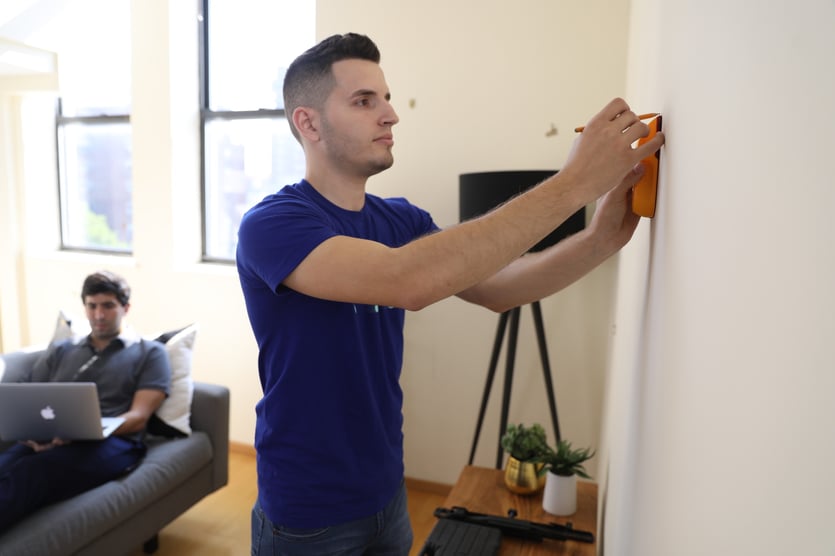
Not surprisingly, there’s plenty of mistakes people make when attempting to mount their TVs. Unless you’re very handy and highly informed about the TV mounting process and what it entails, you should leave this one to the professionals to avoid major damage to your walls.
Nevertheless, no matter if you’re skilled around the house or you’re set on hiring professionals, look no further than our in-depth guide on mistakes people make when mounting their TV. Learn what’s vital to do, and perhaps more importantly - what to be sure NOT to do.
We cover all the major elements to take into consideration, including: selecting the right location, what tools are necessary, choosing the right mount and more. If trying things out yourself proves to be too difficult, remember that we’re always around for all your TV mounting needs.
Choosing the right size TV
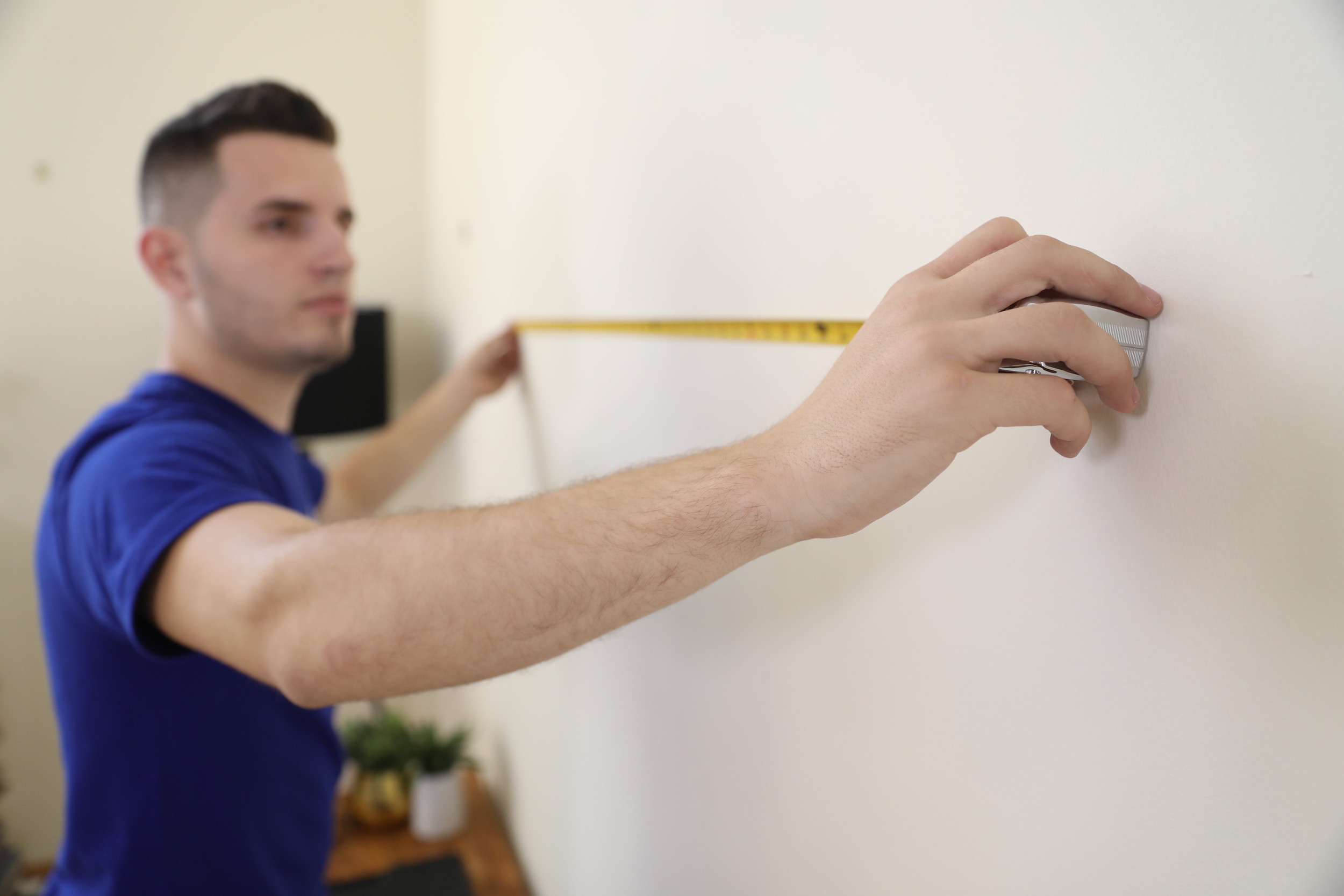
The inevitable first dilemma you’re bound to encounter once you decide to get started with mounting a TV is simply: choosing the right size TV. It can be tough to decide upon the optimal TV size that would look best in your entertainment space.
In a nutshell, you don’t want something too big and clunky for your space, but you want it big enough to see from afar, especially if you use your TV for entertaining guests on a regular basis. To learn more about this topic, feel free to check out our other blog post, in which we review this topic more in-depth.
A general rule of thumb is to first decide upon the best location before you can be sure what size TV is right. This way, you can be certain that your TV will fit nicely and look beautifully in the space you decide upon.
Choosing where to mount your TV
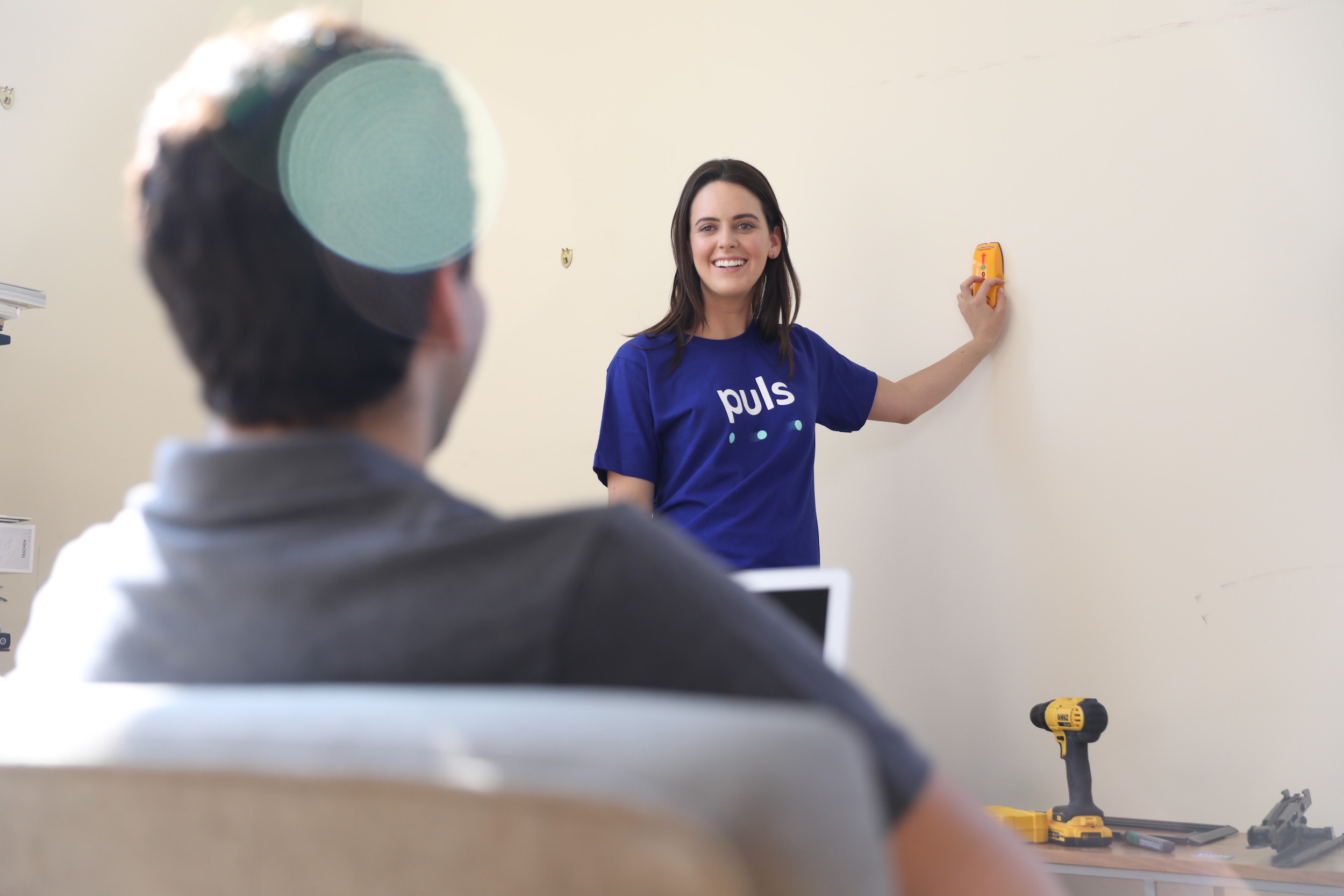
As noted above, it’s vital to assess what area in your entertainment room (or bedroom) would be best to position your TV before you proceed with further steps. Deciding upon the optimal placement location is another tricky decision that you should take the adequate time to consider thoroughly.
It’s important that you weigh out all the options, and examine where exactly you want your TV to be mounted, as well as what type of surface would look best behind it. There are numerous variables to take into account regarding your TV’s placement and mounting a TV height adequately.
For example, should you opt for mounting a TV on brick, or TV mounting over fireplace areas? What about mounting a TV above fireplaces? Should you place your TV on a colorful background, or a simple white or gray one?
The answer to these really depends on your personal preference, as well as the colors and materials of your existing entertainment space. It’s best to work with “what you’ve got” as they say - so adjust your placement preferences depending on your current entertainment space.
Thus, you need to decide upon the TV mounting wall that you’d like to use in your TV watching space. If your entertainment room has more simple drywall at the moment, you should mount your TV on drywall - and vice versa if there are now brick walls.
Furthermore, while TV mounting on brick can look very elegant, the procedure itself is rather complicated. Luckily, with Puls technicians, you can get your TV mounted quickly, however you like - whether it’s TV mounting over fireplaces, on drywall, or on concrete, we’re equipped for every possibility.
Ideally, you should mount your TV in the center of a large, neutrally-colored wall, so it looks clean and minimal, accessible to all viewers, and places more focus on the TV itself, free from distractions. This also will make the colors on the TV stand out more, which will make your viewing experience well worth the added effort - especially if you’ve invested in an expensive HD, LED or OLED TV.
On the other hand, if you’ve already painted your walls bright colors, and there’s no other wall in your space that’s big enough to mount onto, a colored wall is fine! What matters most is that your TV is in the center of the wall, in an accessible, inviting space.
You should also consider which TV mounting height would look best in your space - you want the TV to be viewable from a comfortable angle, that won’t cause any neck pain. If the furniture in your entertainment room is centered around the TV, you should focus on accessibility for everyone in the room.
Therefore, try to keep this in mind as well, so that the TV will be in eyesight of every position on your sofas and chairs. It’s important that you factor others into account if you plan to have guests over often to watch your favorite weekly shows, events like the Oscars, or even host a Super Bowl party.
Mounting TVs to drywall
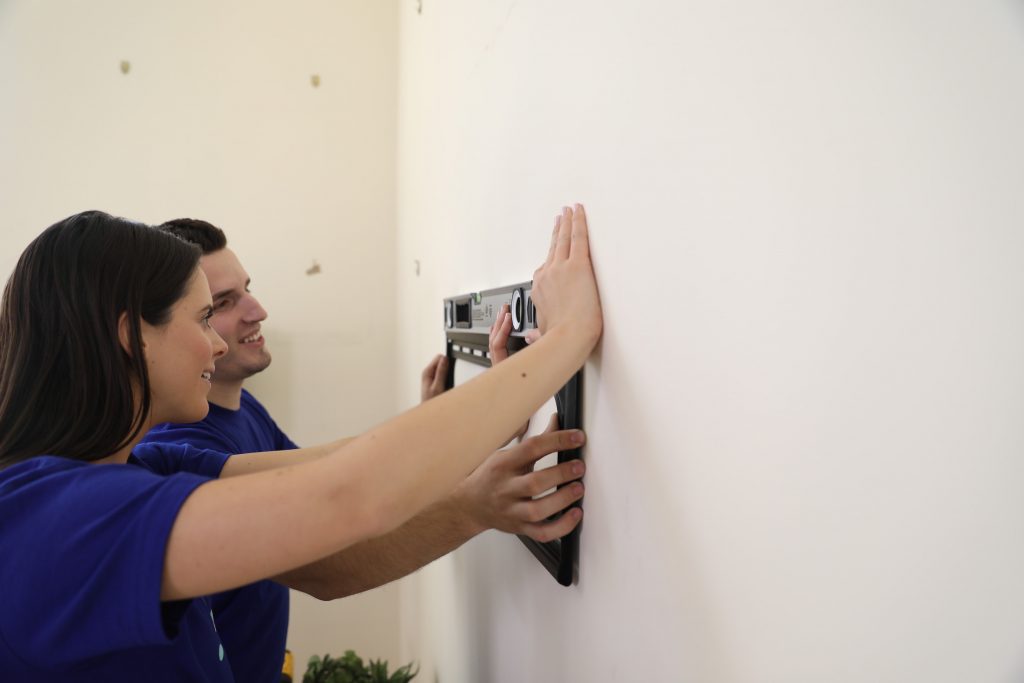
The most quintessential, frequently selected option for TV mounting on wall structures is to opt for TV mounting on drywall. The perhaps obvious choice for TV mounting to walls is to simply mount your TV on a flat, neutrally colored drywall surface, as this is typically the most common interior material found within people’s homes.
It’s also one of the easiest materials to mount your TV onto, as it isn’t nearly as rigid or thick as other materials such as brick or concrete. If you’ve decided upon mounting a TV on drywall, look no further than our in-depth guide on this topic, chock full of reasons and ideas on how to finally get started with mounting TV to drywall.
Our guide describes in detail the six main reasons why you should mount your TV to drywall as soon as possible. One of the benefits to opting for a drywall TV mount is the visual appeal of the mounted TV - after all, flat screens were intended to be mounted.
There’s also numerous safety benefits (especially if you have small children, to keep them away from sharp corners), such as the amount of space you’ll save compared to a conventional TV, reduced physical strain to your neck and back, and more. If you’re debating whether or not to finally get your TV mounted on your living room wall, the verdict is clear: it’s about time you finally got started.
Mounting a TV on Brick Wall

Alongside mounting to drywall, another great option to explore if your entertainment space contains brick walls is of course mounting TV to brick walls. This can be very beautiful if done properly, as exposed brick has a lovely, rustic look and feel to it.
Placing your TV on a brick wall looks stunning, although it can be a bit of a complex procedure to employ if you’re looking to do this yourself. It would be wise to leave this one to our Puls professionals, who are well versed in what the installation procedure truly entails.
If you don’t have a brick wall in your space, but you have a brick fireplace, TV mounting on brick fireplaces can look fantastic as well. However, due to the high level of heat, you should be aware of the fact that you’ll have to place your TV a bit higher when mounting TV to brick fireplaces - perhaps higher than you might have initially wanted.
Even if your fireplace is not brick material, it could still make for a wonderful TV mounting fireplace, so this is definitely something to take into consideration as well. There’s nothing quite like TV mounting above fireplaces, providing you with the luxury of lighting up a fire at home, while simultaneously enjoying your favorite shows and movies above the fire.
For more information on mounting a TV on brick fireplaces, check out our handy guide, where we cover everything there is to know about mounting a TV on brick fireplaces in your home. Learn all about the necessary factors you should be aware of, including the proper mounting height, heat precautions to take, LED vs. OLED restrictions and more.
TV sound bars
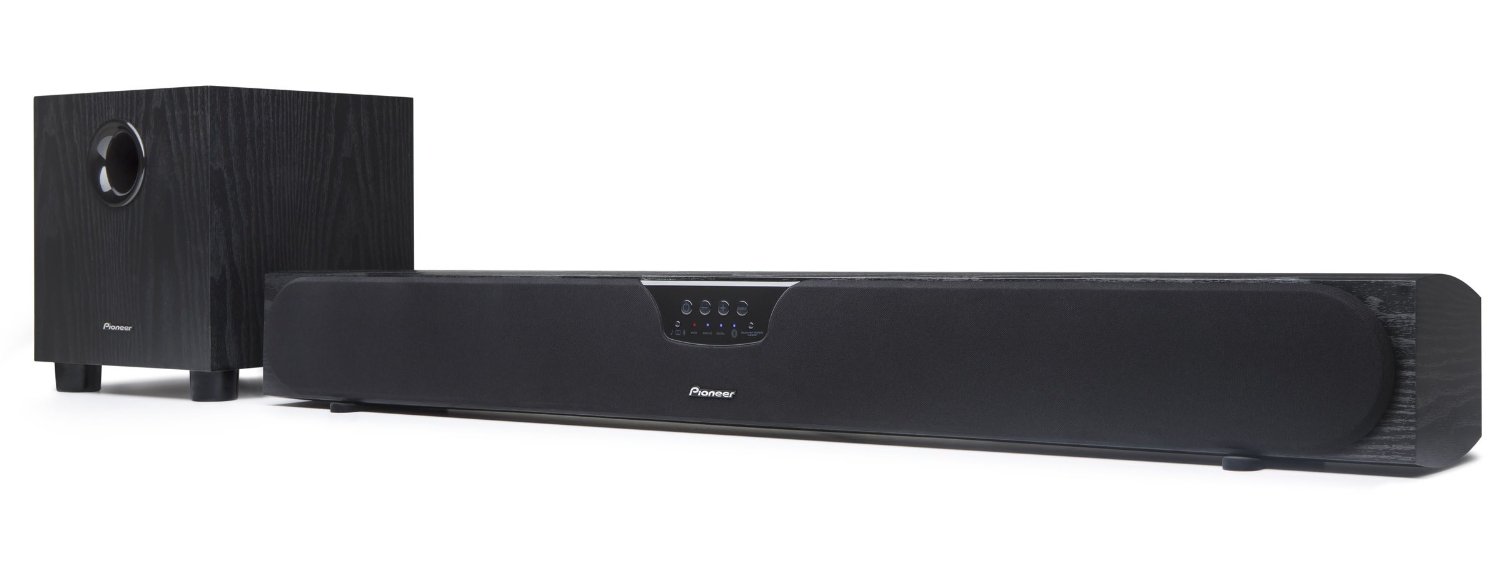
Photo Credit: Walmart
If you’re searching for further TV mounting ideas, an easy way to create a dynamic TV mounting entertainment center at home is through the installation of TV sound bars. For those of you unaware, TV sound bars are thin, sleek speakers that pack all the punch of conventional speakers, while taking up a fraction of the space.
For a cost-effective way to take your TV’s sound to the next level, TV sound bars are a fantastic option to add, alongside your mounted TV. Yet with so many options to select from, deciding upon just one sound bar can be quite a daunting task.
Depending on what your price point is and the desired size and sound quality you’re seeking, the right choice for you can vary significantly. That’s why we’ve reviewed the best TV sound bars out there for your convenience, so you can have a much easier time deciding which one to buy.
Furthermore, for your accommodation, Puls technicians can install your TV sound bars for an additional fee as part of our TV mounting services. If you make an appointment for a TV installation with us, we can easily install your sound bars in that same appointment as one of our TV add-on options.
TVs in the bedroom
 We conducted a comprehensive survey awhile back about whether or not you should have a TV in the bedroom. There’s a fair amount of debate regarding this topic - some are avid supporters, while others believe it is an unhealthy habit or that it can affect the quality of your sleep.
No matter what your views on the matter may be, a recent study has reported that 99% of American households own a television, and almost two-thirds have one in their master bedroom. Furthermore, even those who don’t have a television in their bedroom regularly go to sleep with a tablet, laptop, or smartphone in hand.
Therefore, it’s inevitable that many of us are watching some form of screen before bed, and for many of us, that screen is a TV in our bedrooms. There are numerous great options to mount a TV in the bedroom that look streamlined, sleek and beautiful.
Depending on where your bed is located, one great option to try out in your bedroom is mounting a TV in the corner. This way, you can save a great deal of space on your bedroom walls, especially if you have mirrors, photos or posters hanging that you’d like to keep where they are. Plus, with a swivel mount, you can adjust its location as you please, for an optimal angle that won’t hurt your neck while you’re in bed.
Another cool look you can try in the bedroom is TV mounting with shelves. This is a fantastic choice if you are looking to declutter your room, as you can put decorations, books or organizational storage units in-line with your TV, saving you lots of space as well.
To read more of our full list of the dos and don’ts for mounting TVs in the bedroom, look no further than our comprehensive guide. Learn what would look best in your specific bedroom, as well as the proper steps to consider before you get started.
Hiding Wires
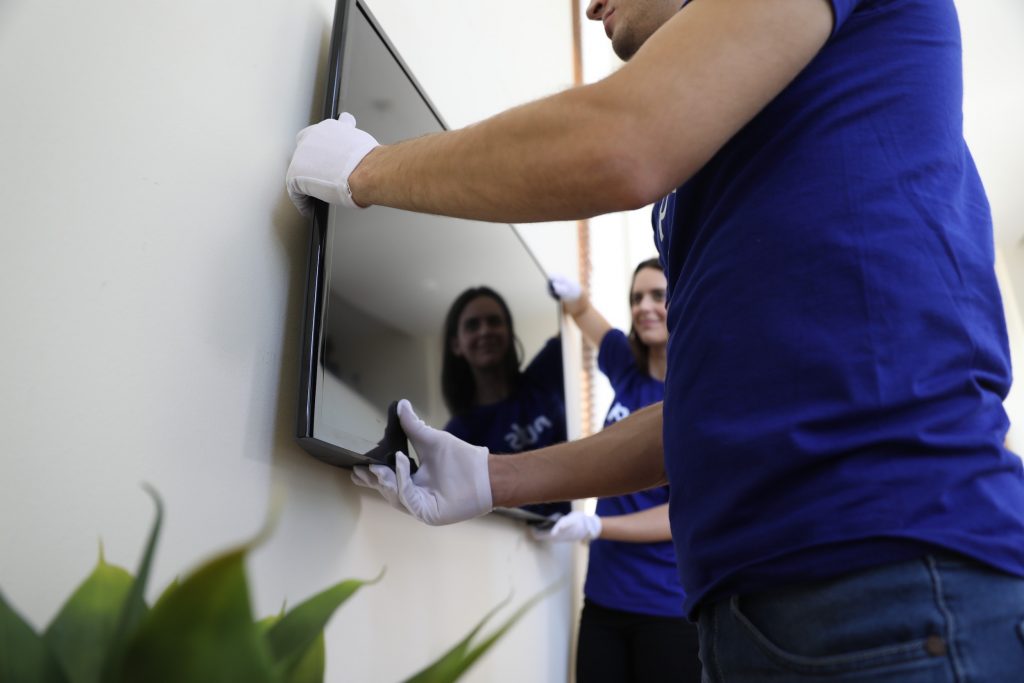 Another common question you might have throughout this process: does TV mounting hide wires? What about how to mount a TV and hide wires at the same time?
A TV with hidden wires look incredibly polished and minimal - not to mention, it’s great if you have pets or small children around. However, to be completely honest, hiding your TV’s wires is a bit more challenging than it sounds, especially if you want your wires hidden within your wall.
Fortunately with Puls services, hiding wires is a breeze! For a small additional fee, our technicians can hide your TV’s wires for you, either internally or externally, as an added part of your mounting appointment.
Best TV mounts you can buy
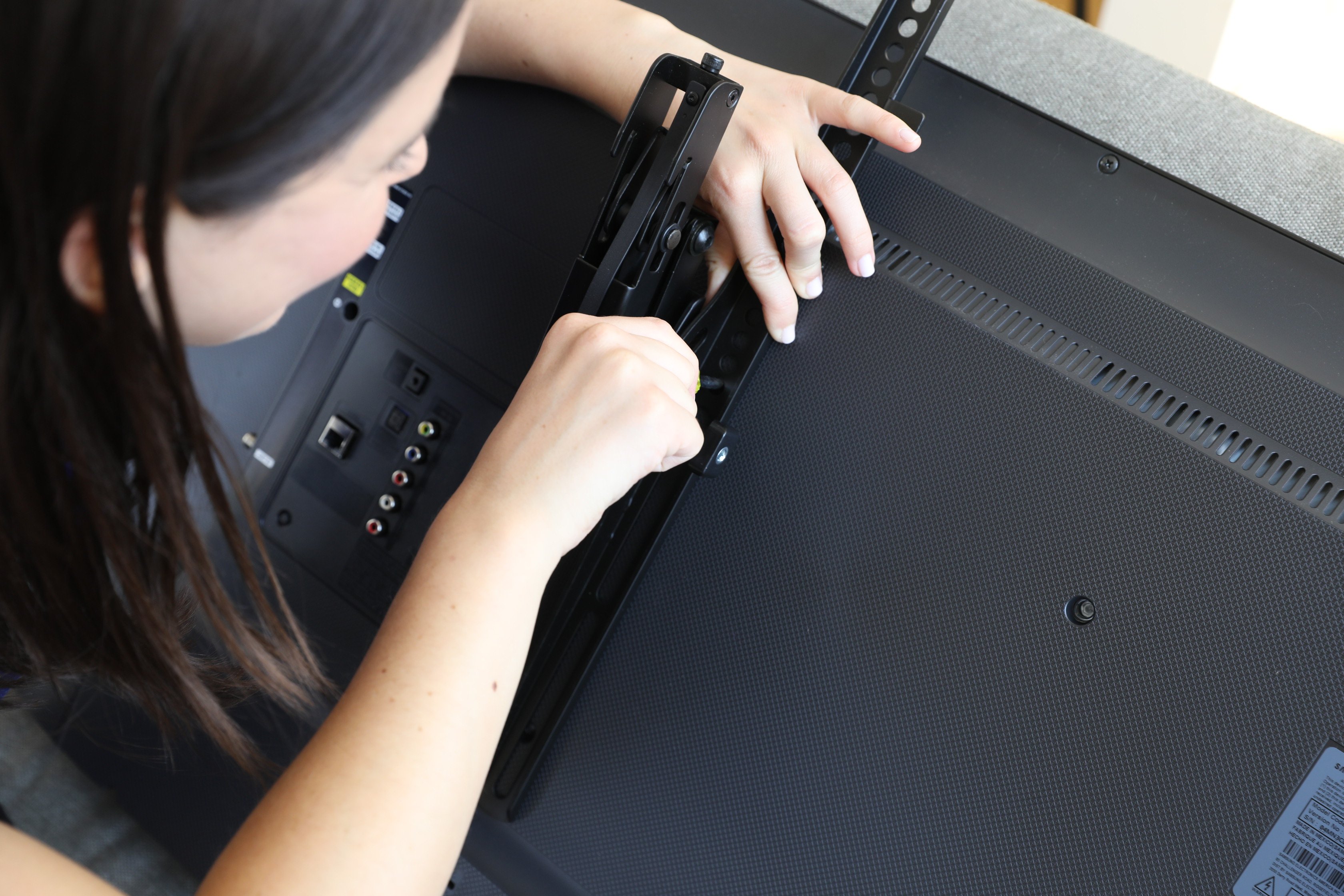 When you select to mount your TV with Puls technicians, we provide the option for you to purchase a TV mount from us. You can choose from either standard or swivel TV wall mounting units for an added fee, or you can opt to use your own mount as well.
If you’d like to provide your own TV mount, there’s tons of fantastic TV mounts out there to select from. There are likely many elements that might be crossing your mind, including which style and brand are best, what a good quality mount will cost you, the best sort of TV mounting arm, TV mounting pole, and more.
That’s why we took the time to review the best TV mounts you can buy in full, including the three most common categories of mounts: fixed, tilt and full motion. Read our guide for all the information you need to know, and to find a mount that best suits your needs. If not, you can always buy one from us as part of your Puls TV installation service!
Mounting a TV to metal studs
Many of you may be wondering about mounting a TV to metal studs, or on the contrary, how to mount a TV on the wall without studs. In short, mounting a TV to metal studs can be a tricky, delicate process that requires a drill, metal studs, and a wooden panel.
You need to be sure that you’ve secured any heavy objects to the wall, and that you have the proper equipment on hand and at the ready. For a brief synopsis regarding how this procedure is done, check out this useful video tutorial from YouTube:
On the other hand, mounting a TV without metal studs is very much possible, as long as you have the proper TV mount and equipment with you. Nevertheless, as a rule of thumb for any mounting procedure option, especially one that’s more complicated, it would be wise to leave it to the experts and hire a trained professional.
Service near me
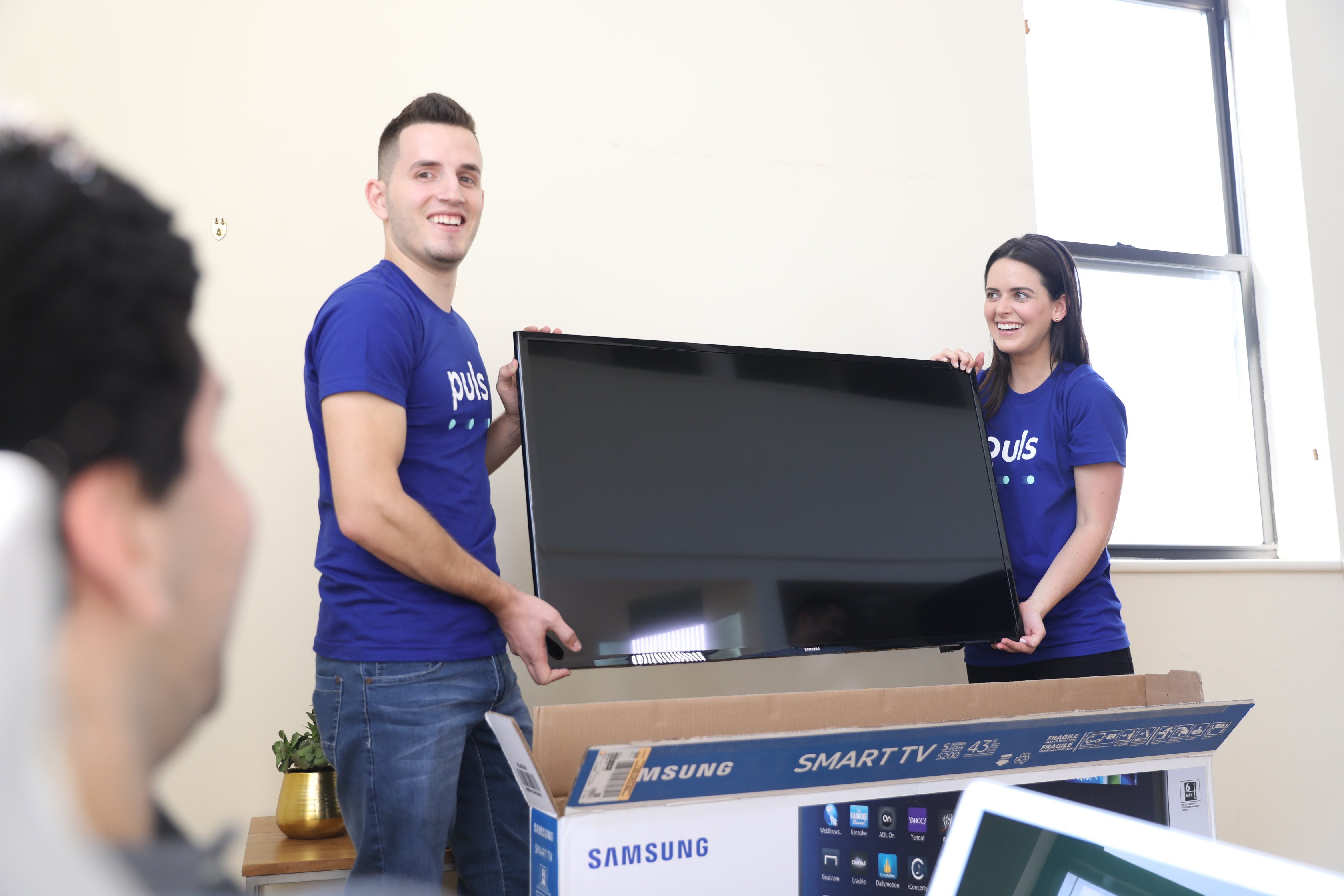 After all this discussion regarding TV installation wall mount services, you’re probably wondering by now, “Where is there TV mounting service near me?” As we noted earlier in this article, many people are unaware of the viable TV mounting installation options such as Puls in their area.
Fortunately, certified, experienced Puls technicians are available to mount TVs in over 800 cities - virtually every major city nationwide. Our technicians have installed more than 2,000 TVs thus far, and that number constantly continues to grow.
Book a TV mounting appointment online for friendly, knowledgeable technicians at your door 7 days a week, to get a convenient, seamless process that works around your schedule. So, the next time you’re wondering, “Where can I find TV installation near me?” remember that Puls is always around, and we can be there in a heartbeat at your desired time and place.