

Does It Matter What Size of TV Mount I Buy?

offer_banner_mobile
All Posts

Buying a television mount can be a daunting task. There’s the size to consider, for one thing, and the type, not to mention all the technical specifications involved.

Can you squeak by affixing a 60 inch television to a 55 inch TV wall mount, or do you really need a 60 inch TV wall mount? Who knows? Meanwhile, you probably just want the first thing that’ll safely secure your television to your wall.

Finding the right size TV mount for your flat screen is complicated. But a little investment up front will pay off further on down the road when your television is affixed securely in the location that’s ideal for you.

To make things easier, we’ve compiled this guide to TV wall mount size – it dispels a few myths, corroborates a few facts, and should shave at least a few minutes off of your research time.

Book TV mounting  Use coupon code "TAKE10" to get 10% OFF!

Does size matter?
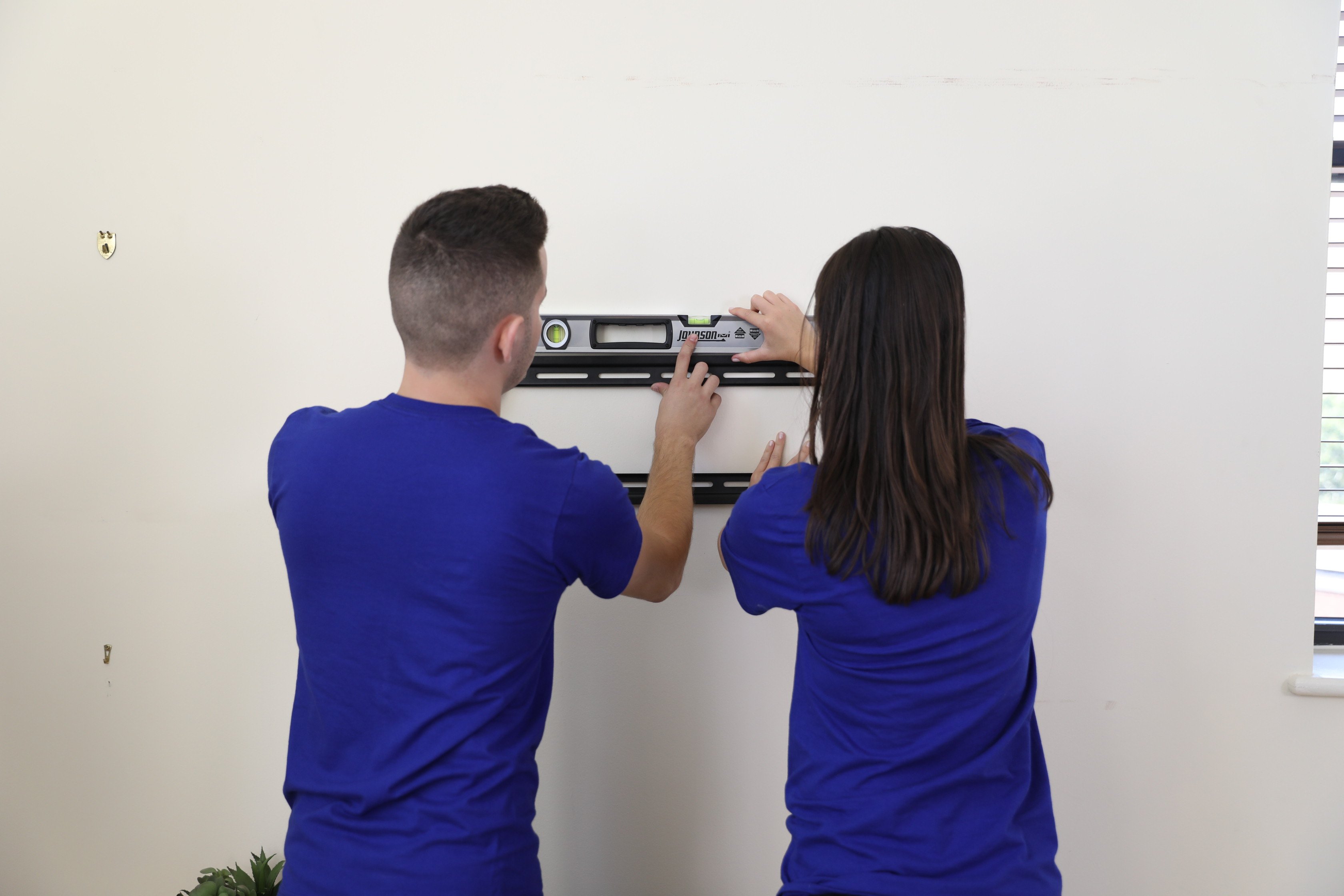
Puls TV wall mount

When it comes to picking out the right TV mount, size matters – but also, it might not.

Because most TVs and mounts conform to the Video Electronics Stands Association (or, VESA) standard, it’s easy to fit nearly any television to nearly any mount. But simply attaching the television is only half the battle – the mount itself must be able to support the TV, or else it can weaken and drop the set.

There’s a good chance that a wall mount will be rated based on the television screen size it can supposedly hold – but rather than pay strict attention to the advertised screen size, a good rule of thumb is to check out the actual weight a mount can handle. Check the product description or box to find out what weight the company says it’s best suited for.

Remember that TV weight and screen size don’t necessarily go hand-in-hand. Depending on the type and quality of television, a larger set from one brand could actually weigh less than a smaller TV from another brand. Because of this, a 40 inch wall mount that can support 50 pounds might be better suited to your needs than a 50 inch wall mount that can only support 40 pounds.

Book TV mounting  Use coupon code "TAKE10" to get 10% OFF!

To the wall
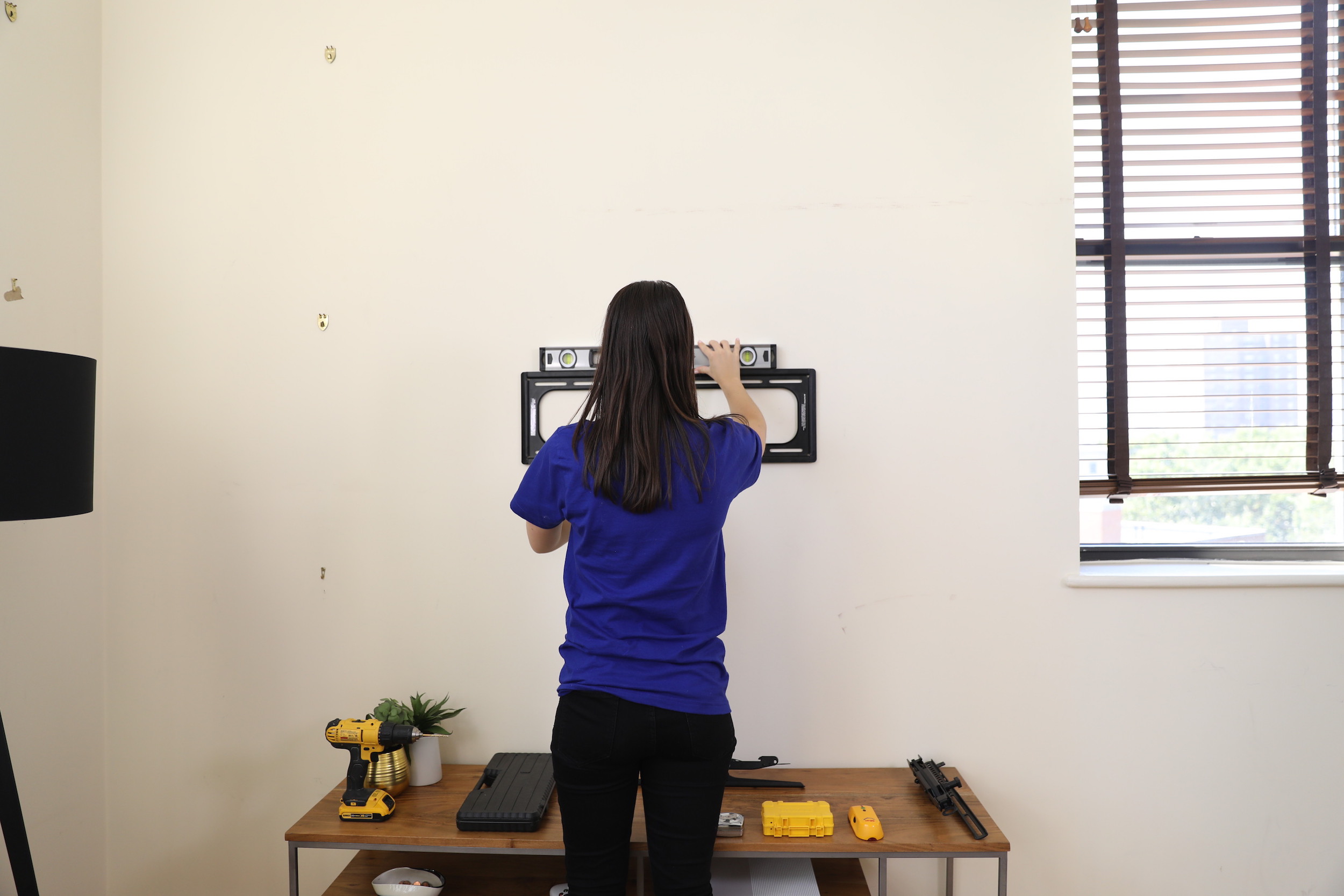
Puls TV mounting

You might find that the place where size matters most is along your walls. How big a television you buy depends on a number of factors, like the placement of your furniture and how far away you’ll be sitting when you view your television.

And finally, you must decide if you’ve got enough space along your wall to hang a television of the size you’d like to purchase. It’s suggested that you go for a television-to-distance ratio of 2:1, meaning that if you have a 32 inch television, you would want to sit about five feet away.

This ratio changes slightly for 4K ultra-HD televisions, for which a ratio of about 1 to 1.5 is recommended. So if you get a 4K TV, you’ll want to account for the fact that you’ll probably be sitting a bit closer.

While there are different types of wall mounts that can swivel out or pivot away from the wall, if you are operating in a limited space such as a corner, it is important to pay attention to how much room you will have when setting the TV flat against the wall, should you choose to do so. Though a 32 inch TV wall mount may very well be able to bear a larger television, it all comes down to how much space you have.

Check out our post about the best TV wall mounts out there for a complete guide on the different types of TV wall mounts, how to select the mount that’s best for your space, and where to place your TV.


Puls can help you choose

find the right sized TV wall mount

If you just want a hand mounting your TV, or if you’re having trouble deciding which TV mount is best for your space, Puls can bring a fixed or full motion TV mount to you as part of your installation service for an additional fee.

Once you’ve selected your favorite TV mount (or you just want us to bring one to you!), book a TV installation service with Puls anytime for easy TV mounting professionals at your door, whenever you like.


Book TV mounting

Jake S.
Jake Sherman is a professional writer with a background in journalism. He is fascinated by home appliances and how they work. He enjoys breaking down complex topics and explaining them in interesting ways. He has been a Puls staff writer for two years. When he's not writing, he enjoys trotting around the globe, trying unfamiliar foods, and testing unmarked doors to see if they're locked.
Related Posts

Staying on top of home maintenance doesn’t have to feel like a constant project. Most homeowners don’t need more reminders—they need a simpler way to organize what already matters. That’s where a monthly home maintenance calendar comes in. Instead of reacting to issues or juggling long checklists, a calendar-based approach creates a steady rhythm that keeps your home running smoothly throughout the year. Why Monthly Planning Feels Easier Big seasonal lists tend to show up all at once and demand attention when life is already busy. Monthly planning spreads things out so nothing feels urgent or overwhelming. When you know exactly what to focus on each month, home care becomes more predictable—and much easier to fit into real life. How the Puls Home Maintenance Calendar Is Structured The Puls home maintenance calendar is designed to reduce mental load, not add to it. Each month focuses on just three types of tasks, keeping things clear and manageable: Quick Wins Seasonal Must-Dos Call in a Pro Tasks This structure ensures that important maintenance stays on track without turning home care into a full-time job. Quick Wins: Light Tasks That Keep Things on Track Quick wins are small, low-effort actions that help maintain comfort and performance around the home. They’re designed to be fast, easy to remember, and satisfying to complete. These tasks help homeowners feel like they’re staying ahead without committing large amounts of time or energy. Seasonal Must-Dos: Staying in Sync With the Year Every season brings small shifts in how a home is used. Seasonal must-dos help align your home with those changes in a calm, planned way. Because these tasks are anticipated in advance, they don’t come with urgency or stress. They simply support comfort, efficiency, and everyday use as the year progresses. Call in a Pro: Built-In Professional Support Some maintenance tasks are best handled by a professional—not because something is wrong, but because it’s easier and more reliable that way. Each month includes at least one Call in a Pro task, giving homeowners a clear moment to bring in expert help and keep things handled properly without guesswork. Puls technicians fit seamlessly into this system, handling professional tasks efficiently and helping homeowners stay consistent without juggling multiple providers. Why This System Reduces Stress With only three task types to think about, maintenance stays focused and manageable. There’s no pressure to do everything at once, and no feeling that something critical is being missed. Homeowners following a calendar-based approach often feel more confident simply because they know what’s coming next. Consistency Without Perfection This system doesn’t rely on doing everything perfectly. Missing a task one month doesn’t derail anything—the calendar simply brings your focus back the next month. That flexibility is what makes monthly maintenance sustainable and realistic over time. A Calmer, More Organized Way to Care for Your Home When maintenance is predictable and supported, it stops feeling like a chore. It becomes part of the background—quietly supporting comfort, safety, and daily life. A monthly home maintenance calendar turns home care into a steady rhythm, and with Puls technicians available for professional tasks, staying on top of your home feels simple, not stressful.

  • 4 min read
  • 03/23/26

Even in mild climates, decks and fences are exposed to the elements every day. Sunlight fades color and weakens coatings, humidity causes wood to expand and contract, and soil movement shifts posts and support beams. Over time, this wear and tear leads to cracks, discoloration, and loose boards that can compromise safety and appearance.

  • 12 min read
  • 10/28/25

As the chill of winter truly settles in, your home's heating systems are working overtime to keep you warm and comfortable. Among these vital systems, your water heater often goes unnoticed, quietly providing the hot water essential for everything from warm showers to clean dishes. But beneath its unassuming exterior, a silent threat might be undermining its performance, costing you money, and potentially shortening its life: sediment buildup.

  • 7 min read
  • 09/01/25