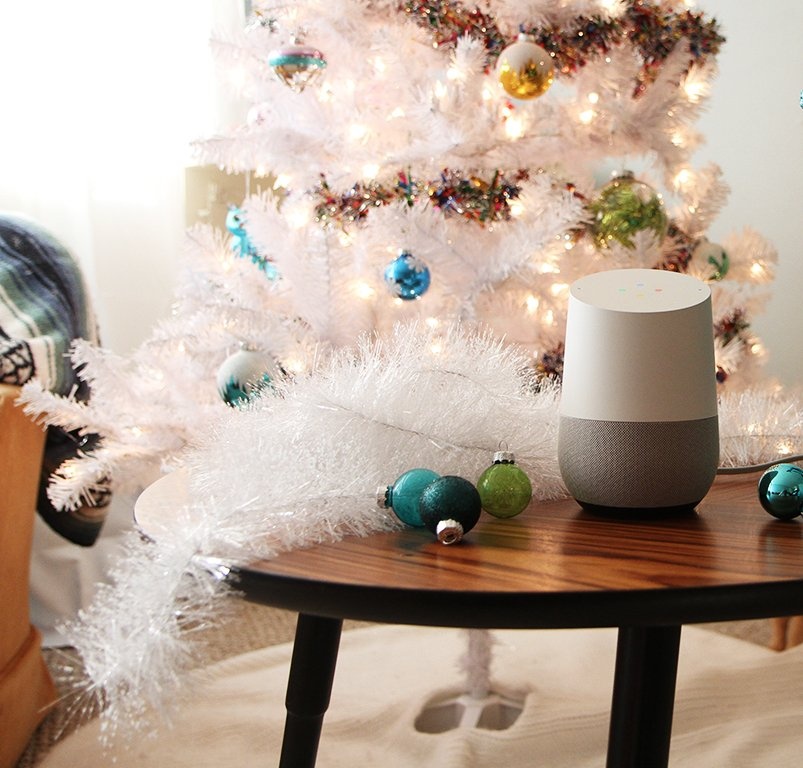

Okay, Google: Our In-Depth Guide to Google Home Automation

offer_banner_mobile
All Posts

Ever since Google Home launched back in late 2016, we’ve had our eye on it as the smart home field opened up and the platform for home automation expanded. We’ve followed the latest developments and partnerships announced at CES, keeping track of the increasing list of Google Home compatible devices.

And, of course, we paid close attention to how Google Home performed against its main competitors – think, Google Home vs. Alexa. In fact, we liked the Google Home assistant so much that shortly after its release, we started offering smart home services of our own.

Google Home really is in a league of its own, rolling three essential functions into one sleek-looking device. Unlike the competition, which tends to focus on one strength over another, Google Home serves as a smart home hub, personal assistant, and entertainment system – and can serve as all three simultaneously.

This means that it can adjust your thermostat, order you a pizza, and play your favorite tunes, all through simple voice-operated Google Home commands.  

Google Home setup at homeFor the smart home uninitiated, we’ve got a comprehensive guide to smart homes that explains home automation basics, what the platform is capable of, and even gives some creative ideas on how you can make your smart home work for you.

Here, though, we focus exclusively on the Google Home, offering a full overview, as well as everything you need to know about Google Home setup. If you’ve got a Google Home you want professionally installed, book a smart home setup service with Puls today.

Book a Smart Home Service


What is Google Home?

Google Home expert installation

At its core, Google Home is a smart home controller and assistant, utilizing the standard speaker/microphone setup. You buy the speaker, place it in a convenient spot, and speak your Google Home commands. A sensitive microphone can pick up your instructions from across the room, so no need to raise your voice, and the powerful speaker has no trouble making itself heard, as well.

All of this is voice-driven, no screens necessary. (Although, if you prefer a screen, Google Home with a smart display is going on sale this month – or you can simply download the Google Home app and connect with a smartphone, tablet, or PC.)

There is a veritable ocean of Google Home compatible devices out there, ranging from smart TVs to home security systems to smart thermostats – as with any of the top smart home hubs, Google Home is compatible with the vast majority of home automation gear on the market.

The Google Home price depends on which model you buy. The largest and most powerful multi-speaker system comes with the Google Home Max, although if you’re not an audiophile, you might find yourself debating the advantages of the Google Home vs. Google Home Mini.

Like we said, Google Home is not only a smart home assistant, but is also geared towards providing entertainment – so they made Google Home Chromecast compatible, which means that it can be paired with any Chromecast-friendly speakers or devices, and can even be used to control your television.

As it’s powered by Google, the Home is great at answering questions and is remarkably intuitive. Google Home is capable of following a conversational question-answer pattern, and thus if you’re asking it a series of questions about a specific topic or person, there’s no need to repeat yourself. After a first reference, you can subsequently refer to “it” or “her” as you would in any regular conversation with a human being.

Google Home can also recognize the specific voices of up to six different users and customize results for each – including what might be on your personal Google Calendar, traffic updates for your most common routes, and let you know what local offerings are around you, such as stores, restaurants, or libraries.

For a full Google Home review, check out our post that gives the lowdown on one of the coolest smart home hubs on the market. And for more resources on creative uses for Google Home, troubleshooting the small things like Google Home connectivity, and for advice on Google Home setup, check out the following posts on our own Puls blog, The Beat.


Google Home Max

Google Home Max smart speaker

Photo Credit: Google

For the minimalists, there's the Google Home Mini - small and incredibly affordable. But for those who love a smart home assistant with a hi-fi twist, the Google Home Max offers a bottom-heavy sound experience, drumming up a rich bass with two 4.5-inch subwoofers. It also offers two tweeters to even things out.

Despite its fun-loving focus on music and entertainment, Google Home Max is of course still the same responsible smart home assistant, offering the familiar services in home automation control and search engine responses. For a full report on the Google Home Max, check out our review here.

Setup Your Google Home Today!


Fix common Google Home connectivity issues

Google Home setup Puls

Google Home is able to connect to the internet directly via your home WiFi network – and this is also how it connects to all your smart devices at home. Because of the pivotal role played by Google Home connectivity, it's the most commonly reported smart home-related issue that we find here at Puls.

Fortunately, we've got answers for you, in the form of this super-helpful guide on troubleshooting Google Home connectivity issues before you go ahead and schedule an appointment with a Puls technician. Check it out for yourself and see our step-by-step guide on how to connect your Google Home to your Wifi, prevent connectivity interruptions, and even how to pair and optimize your Google Home Chromecast combo.


Google Home security
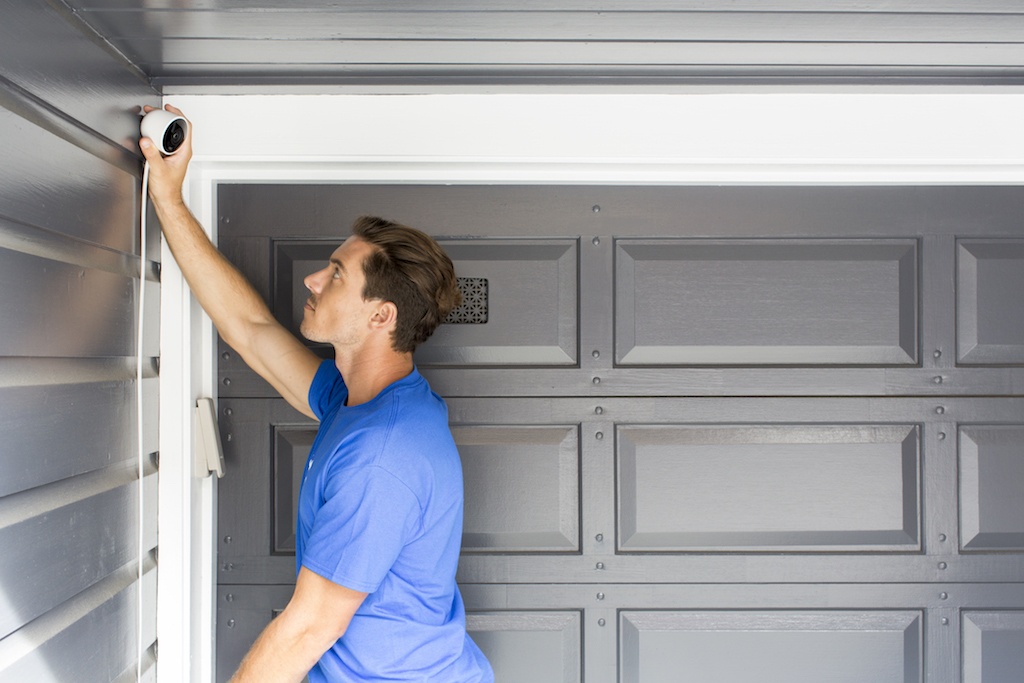
Google Home security setup

Google Home connects great with smart security devices like the Nest and Ring.

Your Google Home assistant is also the key to your smart home security system. In this post about automating and controlling your home’s security while you're away, we show you how to use Google Home to monitor your home from afar, and even how to control your smart home devices remotely.

You can keep tabs on would-be intruders with your smart home security camera, turn lights and other smart-enabled appliances on or off, and even lock or unlock your doors. There's also a section on monitoring your home environment while you're away, so that you can keep track of things like smoke and fire, carbon monoxide, and make sure your pipes don't freeze.


Google Home at Thanksgiving
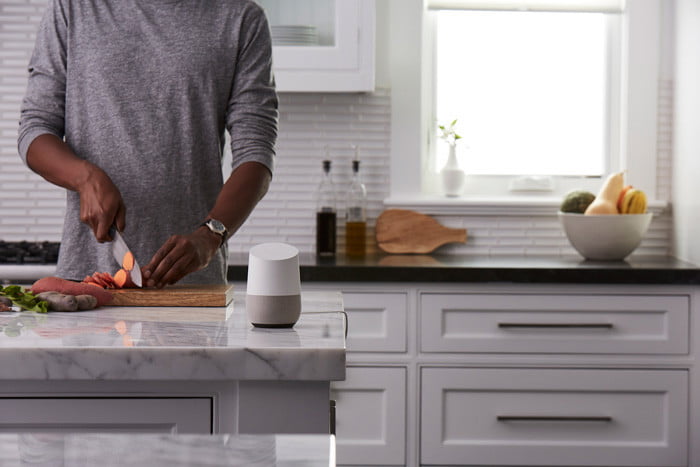
Google Home in kitchen

Photo Credit: Digital Trends

Sure, the turkey gets the most attention when it comes to Thanksgiving, but there's a little more to the holiday than that, right? Google Home assistant can not just help you make the perfect bird – it can also help you set the mood with the perfect holiday lighting and music, slideshows of the moments you're thankful for, and cast your favorite Thanksgiving movies right to your TV.

The smart assistant will also keep you organized, helping you with anything from the invitation list to keeping multiple timers in the kitchen so everything is cooked to perfection. It can even answer the door for you, making hosting your family a breeze.

Check out our guide on how to best use Google Home this Thanksgiving!


Setup Your Google Home Today!

Google Home for the holidays

Google Home for the holidaysPhoto Credit: Google


In this post on how to optimize your home for the holidays with Google Home, we provide loads of creative tips that will save time, set the mood, and share wonderful memories with your loved ones.

From making the most of the Google Home app, Chromecast, and super fun hidden Easter eggs that the folks at Google love to slip into the Google Home assistant mode, we show you just how easy it can be to enjoy the holidays – home automation style.


Puls offers a wide array of home automation services
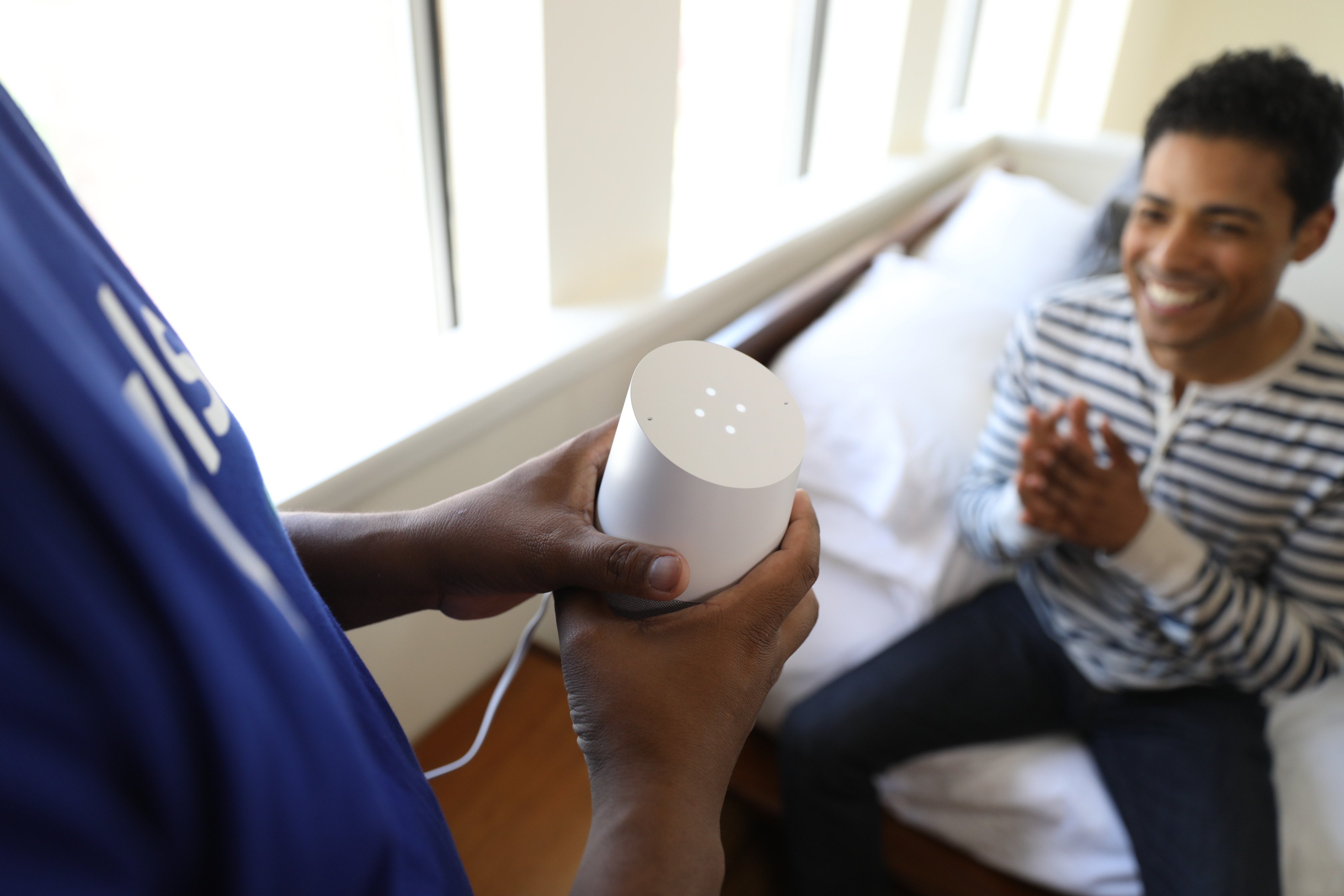
Google Home Puls installationWhether it’s Google Home setup or dealing with Google Home connectivity issues, you can rely on the experts to make sure that all your home automation needs are met! Simply book an appointment in seconds and one of our certified Puls technicians will be on site to help you with any issues, or with installation and optimization.


Jake S.
Jake Sherman is a professional writer with a background in journalism. He is fascinated by home appliances and how they work. He enjoys breaking down complex topics and explaining them in interesting ways. He has been a Puls staff writer for two years. When he's not writing, he enjoys trotting around the globe, trying unfamiliar foods, and testing unmarked doors to see if they're locked.
Related Posts

Home maintenance can feel overwhelming when it’s framed as one endless checklist. When everything seems important at once, it’s easy to delay action altogether and hope nothing urgent pops up. A room-by-room strategy makes home care feel more manageable. Instead of thinking about your home as one big project, you focus on individual spaces. This makes it easier to notice small changes, address issues early, and avoid the kind of problems that grow quietly over time. Kitchen: Where Wear and Tear Adds Up Fast Kitchens combine water, electricity, heat, and daily use, which naturally increases the chances of things wearing down. Under-sink leaks, loose outlets, and aging fixtures are common early warning signs. Because many kitchen components are tucked away inside cabinets, small problems often stay hidden until damage spreads. Catching these issues early keeps repairs simpler, faster, and far less expensive. Bathrooms: Constant Moisture, Constant Risk Bathrooms deal with daily humidity, which puts ongoing stress on plumbing connections, fixtures, and surfaces. Slow drains, loose faucets, or subtle discoloration around fixtures are often the first signs that something needs attention. Moisture-related issues rarely resolve on their own. Addressing them early helps prevent mold growth, water damage, and structural problems that can disrupt your home and budget. Living Areas: Subtle Signals Matter In living rooms and bedrooms, maintenance issues often show up visually or electrically. Small wall cracks, flickering lights, or loose mounted items can indicate settling, wiring wear, or anchor problems inside the walls. Because these changes happen gradually, they’re easy to normalize. Paying attention early keeps fixes straightforward and prevents damage from spreading behind the scenes. Entryways and Hallways: High Traffic, High Stress Doors, frames, and walls in high-traffic areas experience constant movement and pressure. Sticking doors or shifting frames can be early signs of alignment issues or normal structural movement that needs adjustment. Handling these issues early keeps everyday wear from turning into long-term damage that affects multiple rooms. Laundry Areas: Small Spaces, Big Impact Laundry hookups are one of the most common sources of unnoticed leaks. Hoses, valves, and drains wear down slowly, and even minor drips can lead to significant water damage if left unchecked. Because laundry areas are often out of sight, problems here tend to go unnoticed longer than they should. Regular inspection and timely service can prevent costly flooring and wall repairs. Why a Room-by-Room Approach Works Breaking maintenance down by room helps homeowners feel more in control of their home. It creates a natural rhythm for checking key areas without feeling like everything needs attention at once. This approach also makes it easier to prioritize. Rooms with water, electricity, or heavy use naturally deserve more frequent attention than low-impact spaces. How This Strategy Helps With Budgeting Room-based maintenance spreads costs out over time instead of letting them pile up into emergency repairs. Small, planned fixes are easier to budget for than sudden, expensive problems. Homeowners who take this approach often find they spend less overall—not because they avoid repairs, but because they handle them at the right moment. Peace of Mind Comes From Knowing What’s Normal When you check your home consistently, you start to recognize what’s normal and what’s new. That awareness makes it easier to spot issues early and take action without panic. Instead of wondering whether something has “always been like that,” you can make informed decisions with confidence. Where Professional Help Makes the Biggest Difference Professional technicians understand how issues in one room can affect the rest of the home. A trained eye can spot early warning signs that aren’t obvious to homeowners. Puls technicians can inspect multiple areas efficiently and handle repairs across rooms and systems, making it easier to stay ahead of maintenance without juggling multiple service providers. Why Proactive Service Is Easier Than Reactive Repairs Emergency repairs often come with stress, scheduling pressure, and limited options. Proactive service allows homeowners to plan repairs around their schedule and avoid last-minute decisions. Calling a Puls tech early helps keep home maintenance predictable, manageable, and far less disruptive. Consistency Beats Perfection Home care isn’t about fixing everything at once or chasing an ideal standard. It’s about steady attention and timely action. A professional-first, room-by-room approach keeps your home running smoothly, protects its value, and helps you avoid costly surprises down the line.

  • 5 min read
  • 05/04/26

Staying on top of home maintenance doesn’t have to feel like a constant project. Most homeowners don’t need more reminders—they need a simpler way to organize what already matters. That’s where a monthly home maintenance calendar comes in. Instead of reacting to issues or juggling long checklists, a calendar-based approach creates a steady rhythm that keeps your home running smoothly throughout the year. Why Monthly Planning Feels Easier Big seasonal lists tend to show up all at once and demand attention when life is already busy. Monthly planning spreads things out so nothing feels urgent or overwhelming. When you know exactly what to focus on each month, home care becomes more predictable—and much easier to fit into real life. How the Puls Home Maintenance Calendar Is Structured The Puls home maintenance calendar is designed to reduce mental load, not add to it. Each month focuses on just three types of tasks, keeping things clear and manageable: Quick Wins Seasonal Must-Dos Call in a Pro Tasks This structure ensures that important maintenance stays on track without turning home care into a full-time job. Quick Wins: Light Tasks That Keep Things on Track Quick wins are small, low-effort actions that help maintain comfort and performance around the home. They’re designed to be fast, easy to remember, and satisfying to complete. These tasks help homeowners feel like they’re staying ahead without committing large amounts of time or energy. Seasonal Must-Dos: Staying in Sync With the Year Every season brings small shifts in how a home is used. Seasonal must-dos help align your home with those changes in a calm, planned way. Because these tasks are anticipated in advance, they don’t come with urgency or stress. They simply support comfort, efficiency, and everyday use as the year progresses. Call in a Pro: Built-In Professional Support Some maintenance tasks are best handled by a professional—not because something is wrong, but because it’s easier and more reliable that way. Each month includes at least one Call in a Pro task, giving homeowners a clear moment to bring in expert help and keep things handled properly without guesswork. Puls technicians fit seamlessly into this system, handling professional tasks efficiently and helping homeowners stay consistent without juggling multiple providers. Why This System Reduces Stress With only three task types to think about, maintenance stays focused and manageable. There’s no pressure to do everything at once, and no feeling that something critical is being missed. Homeowners following a calendar-based approach often feel more confident simply because they know what’s coming next. Consistency Without Perfection This system doesn’t rely on doing everything perfectly. Missing a task one month doesn’t derail anything—the calendar simply brings your focus back the next month. That flexibility is what makes monthly maintenance sustainable and realistic over time. A Calmer, More Organized Way to Care for Your Home When maintenance is predictable and supported, it stops feeling like a chore. It becomes part of the background—quietly supporting comfort, safety, and daily life. A monthly home maintenance calendar turns home care into a steady rhythm, and with Puls technicians available for professional tasks, staying on top of your home feels simple, not stressful.

  • 4 min read
  • 03/23/26

Even in mild climates, decks and fences are exposed to the elements every day. Sunlight fades color and weakens coatings, humidity causes wood to expand and contract, and soil movement shifts posts and support beams. Over time, this wear and tear leads to cracks, discoloration, and loose boards that can compromise safety and appearance.

  • 12 min read
  • 10/28/25