

iPhone 8 Battery Replacement: How to Tell if You Need it Now

offer_banner_mobile
All Posts

Does your iPhone 8 always seem to die quickly? What about restarting in the middle of a text message?

If this is happening to you, it could be a sign of needing to replace your iPhone 8 battery. iPhones can retain up to 80 percent of their charging capacity for up to 500 cycles.

In theory, this means 500 charges before you have to replace the battery. We all know there’s no exact science when elements like heat and moisture are involved. In some cases, you may only have up to 18 months before you should consider replacing your iPhone 8’s battery.

So, other than your iPhone quickly dying, what are other indications that your battery needs to be replaced? We’ve compiled five symptoms that can quickly point out the demise of your iPhone 8 battery.   


Your battery is protruding through the phone

If this is happening to you - let’s just say, you’re probably beyond the point of realizing you need a repair. You should immediately and safely dispose of the battery.

It will reduce your chances of encountering any toxic chemicals used in Apple’s lithium-ion batteries. During the process of disposal, be careful as to not to puncture the battery.

One final consideration: Are there early signs of swelling batteries or does do batteries just swell up? There are signs, such as a form of white screen and separation between the iPhone 8’s screen. Gradually swelling batteries can even be caused by overexposure to heat.


Fast or wireless charging not working

iPhone 8 wireless charging

Photo Credit: The Verge

If your battery is too drained, there is a chance neither will work perfectly. If you’re able to use one or both methods of charging, you may find your battery takes significantly longer than usual to charge, or gets stuck at a certain percentage.


Your iPhone shuts down arbitrarily

Have you experienced the frustration of your phone randomly powering down while trying to send an email, in the middle of a conference call, or while catching up with friends and family?

This could very well be a sign that you need an iPhone 8 battery replacement right away. Follow these three steps to remedy the issue first. If the problem persists, it’s time to consider the inevitable.

  1. Use your device until it’s fully drained of all battery.
  2. Charge your iPhone 8.
  3. Perform a soft reset.


If a battery health app confirms your suspicions
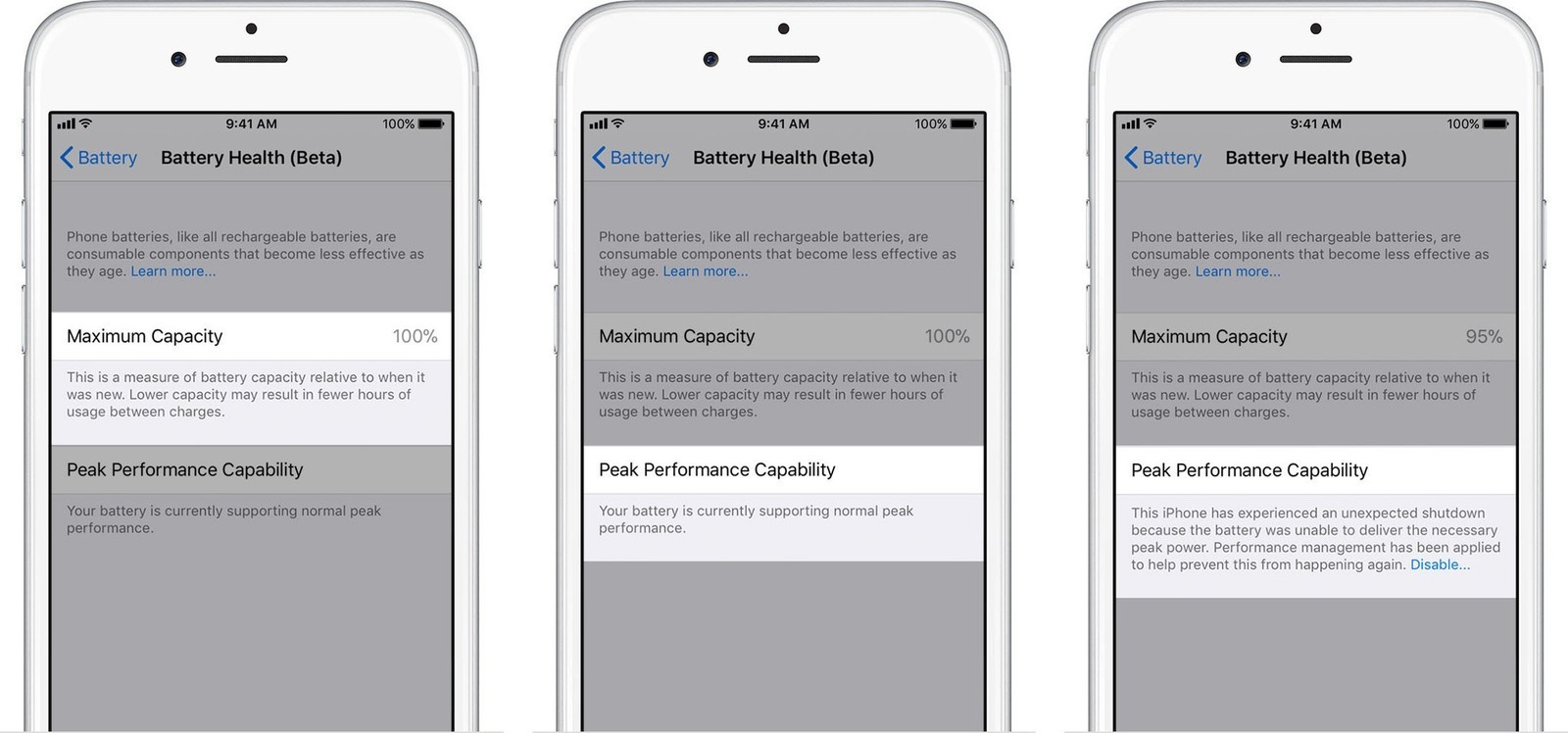
check iPhone 8 battery health

Photo Credit: iMore

Today, there are a growing number of apps that provide data on your mobile phone’s battery. Using such an app can help shed light on what’s really going on with your battery and can quickly confirm any suspicions.

To Apple’s credit, the company has streamlined this process by adding the ‘Battery Health’ feature. Here, you can gather fast stats on your iPhone, just like a third-party app would provide.


It could be Siri

The lovable virtual assistant does come in handy, but keep in mind, that she could be the reason for your iPhone 8 battery problems. Try switching Siri off and see if that helps preserve the integrity of your battery before replacing it - this is especially helpful if the battery is nearing its demise.  


Count on Puls

Puls battery replacement

In the end, detecting the root cause of your iPhone 8’s battery issues can be difficult. We want the process to be as easy as possible so you can take full advantage of using your phone.

iPhone 8 battery replacement is not, however, something you should attempt to do on your own. Apple products are so intricately designed that trying to replace the battery could lead to losing essential parts and unforeseen accidents. To top it all off, the process can be quite cumbersome for someone who is inexperienced.

Our trusted technicians will come to you, wherever you need it, to replace your failing iPhone 8 battery within the same day. Book a battery replacement today for fast, affordable repair that comes to you. We even offer $10 your first repair with Puls.


Moshe B.
Moshe Beauford is a journalist, copywriter and blogger. His work has appeared in publications like GeekTime, Paste Magazine, Property Casualty 360 and Claims Magazine. In his spare time, he loves to cook, write music for and play the violin.
Related Posts

Staying on top of home maintenance doesn’t have to feel like a constant project. Most homeowners don’t need more reminders—they need a simpler way to organize what already matters. That’s where a monthly home maintenance calendar comes in. Instead of reacting to issues or juggling long checklists, a calendar-based approach creates a steady rhythm that keeps your home running smoothly throughout the year. Why Monthly Planning Feels Easier Big seasonal lists tend to show up all at once and demand attention when life is already busy. Monthly planning spreads things out so nothing feels urgent or overwhelming. When you know exactly what to focus on each month, home care becomes more predictable—and much easier to fit into real life. How the Puls Home Maintenance Calendar Is Structured The Puls home maintenance calendar is designed to reduce mental load, not add to it. Each month focuses on just three types of tasks, keeping things clear and manageable: Quick Wins Seasonal Must-Dos Call in a Pro Tasks This structure ensures that important maintenance stays on track without turning home care into a full-time job. Quick Wins: Light Tasks That Keep Things on Track Quick wins are small, low-effort actions that help maintain comfort and performance around the home. They’re designed to be fast, easy to remember, and satisfying to complete. These tasks help homeowners feel like they’re staying ahead without committing large amounts of time or energy. Seasonal Must-Dos: Staying in Sync With the Year Every season brings small shifts in how a home is used. Seasonal must-dos help align your home with those changes in a calm, planned way. Because these tasks are anticipated in advance, they don’t come with urgency or stress. They simply support comfort, efficiency, and everyday use as the year progresses. Call in a Pro: Built-In Professional Support Some maintenance tasks are best handled by a professional—not because something is wrong, but because it’s easier and more reliable that way. Each month includes at least one Call in a Pro task, giving homeowners a clear moment to bring in expert help and keep things handled properly without guesswork. Puls technicians fit seamlessly into this system, handling professional tasks efficiently and helping homeowners stay consistent without juggling multiple providers. Why This System Reduces Stress With only three task types to think about, maintenance stays focused and manageable. There’s no pressure to do everything at once, and no feeling that something critical is being missed. Homeowners following a calendar-based approach often feel more confident simply because they know what’s coming next. Consistency Without Perfection This system doesn’t rely on doing everything perfectly. Missing a task one month doesn’t derail anything—the calendar simply brings your focus back the next month. That flexibility is what makes monthly maintenance sustainable and realistic over time. A Calmer, More Organized Way to Care for Your Home When maintenance is predictable and supported, it stops feeling like a chore. It becomes part of the background—quietly supporting comfort, safety, and daily life. A monthly home maintenance calendar turns home care into a steady rhythm, and with Puls technicians available for professional tasks, staying on top of your home feels simple, not stressful.

  • 4 min read
  • 03/23/26

Even in mild climates, decks and fences are exposed to the elements every day. Sunlight fades color and weakens coatings, humidity causes wood to expand and contract, and soil movement shifts posts and support beams. Over time, this wear and tear leads to cracks, discoloration, and loose boards that can compromise safety and appearance.

  • 12 min read
  • 10/28/25

As the chill of winter truly settles in, your home's heating systems are working overtime to keep you warm and comfortable. Among these vital systems, your water heater often goes unnoticed, quietly providing the hot water essential for everything from warm showers to clean dishes. But beneath its unassuming exterior, a silent threat might be undermining its performance, costing you money, and potentially shortening its life: sediment buildup.

  • 7 min read
  • 09/01/25