
Just in Time for Summer! TV Mounting Outdoors

offer_banner_mobile
All Posts

Memorial Day (and almost summer!) is upon us, and you know what that means – it’s prime time for all of your favorite outdoor activities: frisbee, grilling, lawn games, and catching up on this season of American Idol. (It’s a guilty pleasure, we know.)

Taking your television outdoors is a great way of enjoying the best of both worlds. But if you’re looking to watch the tube while you fire up the barbecue, you’re probably going to have to brush up on the finer aspects of TV mounting outdoors – at least if you want to avoid a potential disaster.

While the payoff is big, TV mounting outdoors comes with all of the potential pitfalls you might imagine – both in terms of securing your TV to an outdoor wall, as well as subjecting it to the outdoor elements.

That being said, TV mounting outdoors is far from impossible. Simply follow these easy guidelines, and you’ll have a superb viewing experience, and the peace of mind that your television is all set up to withstand anything mother nature can throw your way.

For a limited time only this Memorial Day, we're offering $20 off all TV mounting services with code: MEMDAY20. Hurry - offer's valid only through Friday, May 31st, 2019 at 11:59 PM PST! 

Book a TV installation


Choosing the Right Model

TV mounting outdoors: near pool

Photo Credit: Newtown Electronics

There are two ways to go about selecting the television you want to mount outdoors. You can go the hand-me-down way, simply taking your old TV outside when you upgrade to a newer model, or you can buy a new one altogether.

If you’re doing the latter, it’s important to pay attention to the type of television you’re getting. Not only will an outdoor television last longer and stand up to the elements better, but it will provide a brighter display for a better viewing experience.

What’s more, using an indoor television outside often voids the warranty. So if you find that your indoor TV is acting funny after a rainstorm, the manufacturer is not likely to be of much help.


Making the Case
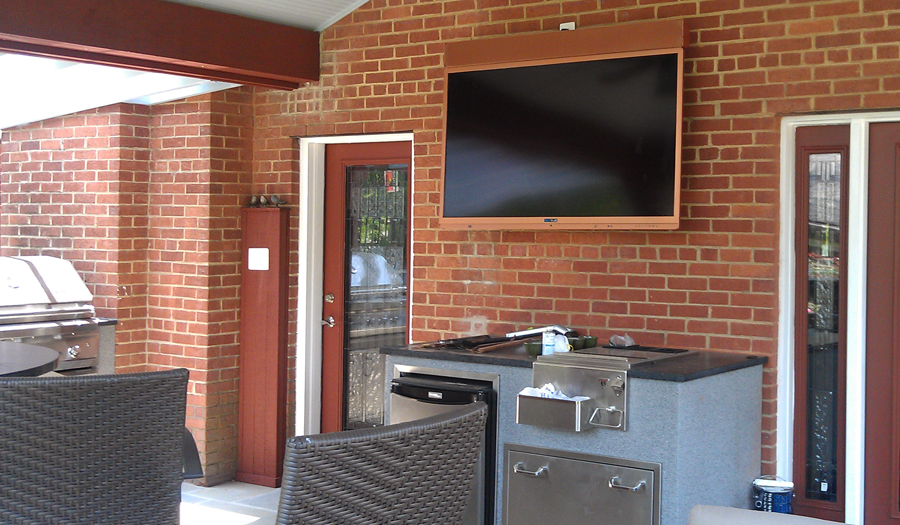
tv mounting outdoors: above grill

Photo Credit: Kuno Kultura

Even if you do use an outdoor television, it’s important to protect it as best you can. An IP-rated television enclosure will keep your television safe from heat, cold, water, and dirt, and it will also protect it against theft or vandalism.

You might remember the IP rating system from your smartphone – water and dust resistant smartphones are rated according to the Ingress Protection scale just like the outdoor TV enclosure, which is graded on its ability to effectively seal off your TV from the elements.


Throwing Shade
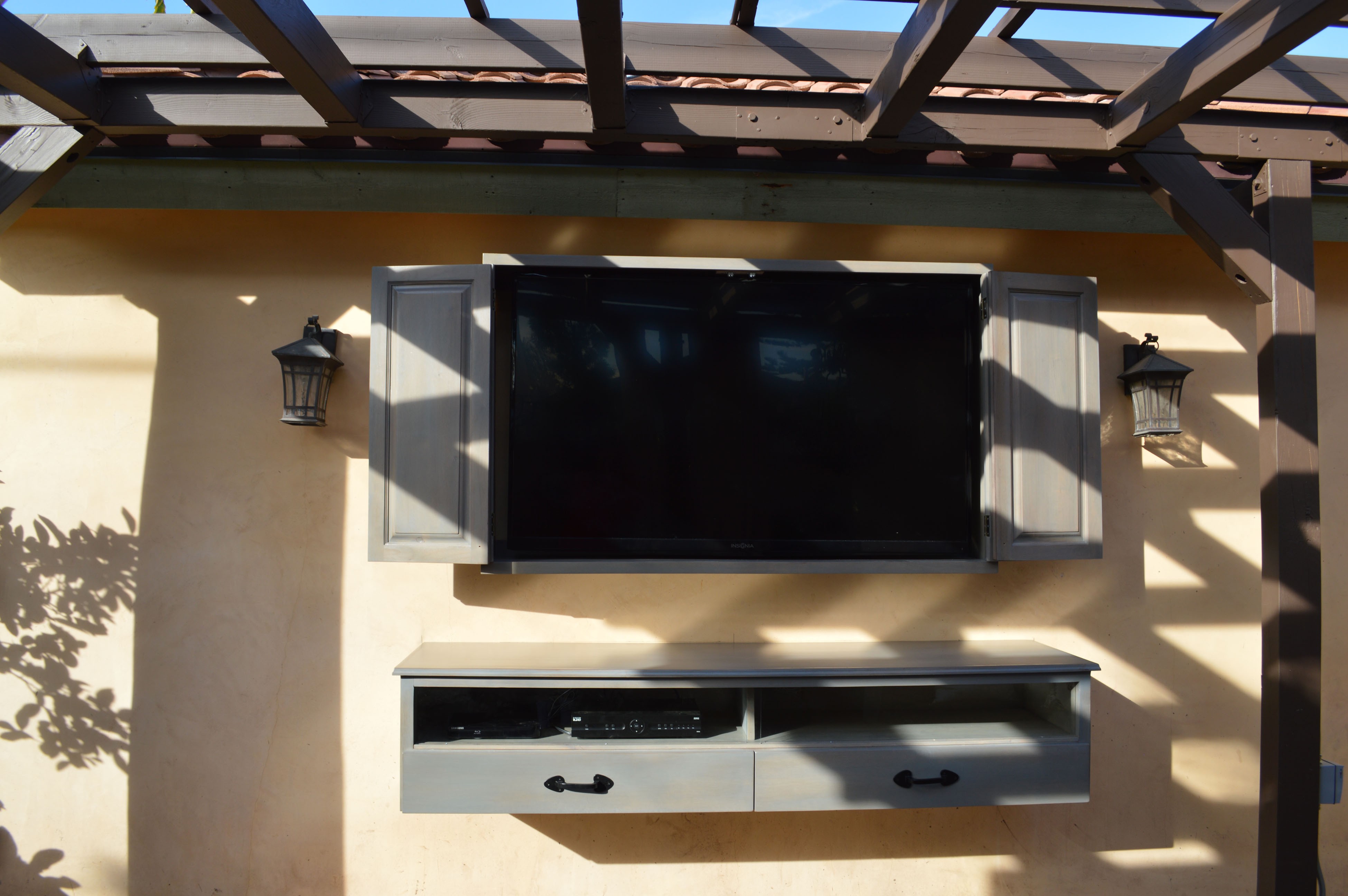
TV mounting outdoors in shade

Photo Credit: Outdoor Designs

Another consideration to take into account when you’re TV mounting outdoors is exposure to sunlight. If you have a permanent source of shade, it’s optimal to place the television there. This not only prolongs the TV’s lifespan, but also makes viewing a lot easier on the eyes.

Still, not everyone has a good source of shade in the area that is best to mount their TV. In that case, if possible, it’s best to mount your TV facing southward. This will naturally provide the least amount of sunlight over the course of the day.
Book a TV installation 

Get a Weatherproof Mount

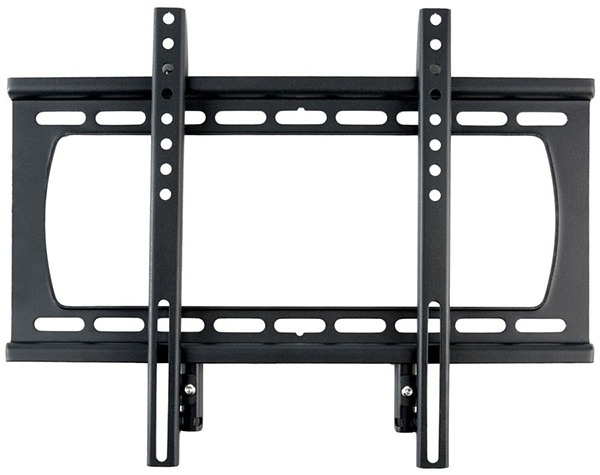
SunbriteTV fixed flat wall mount

SunbriteTV Weatherproof Fixed Mount. (Photo Credit: weatherprooftelevisions.com)

Just like televisions, mounts are produced with a certain function in mind. Indoor mounts are not constructed to resist extreme temperature fluctuation or moisture, and will quickly rust and fall apart if used in an outdoor setting. Not only that, but an indoor mount is not designed to handle the added weight of that IP-rated television enclosure we mentioned earlier.

It might be a little extra cash up front, but splurging on an outdoor mount now will save you a lot of time, money, and headache further on down the line. Bonus points if you get a mount that can pivot to provide you a better viewing angle when the sun tries to throw its glare your way.


Sound On
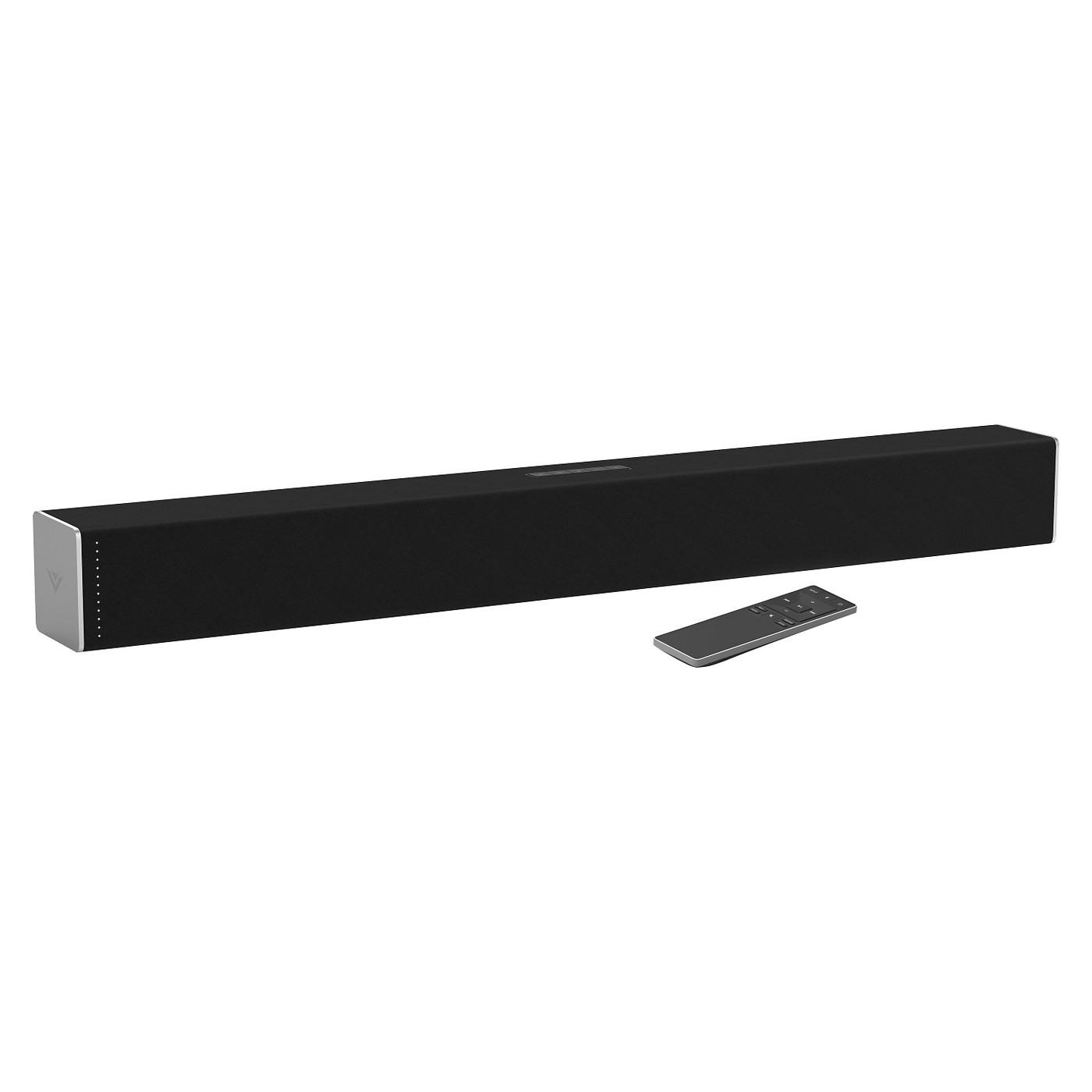
VIZIO 2822

VIZIO 2822 Sound Bar. (Photo Credit: Walmart)

Finally, you’ll want to think about a good outdoor speaker system to compliment that shiny, bright display of yours. Nothing puts a damper on your TV binge like not being able to hear what’s going on. Fortunately, there are a wide array of affordable outdoor speakers designed to provide sound solutions to whatever setup you’ve got.

Check out our article on the best TV sound bars to help you get started with some ideas. Whether you need to cover your whole yard or just a smaller space like your patio, there’s a weather-durable option for you. There are even solar-powered speakers that provide their own power!


Puls is Here to Help
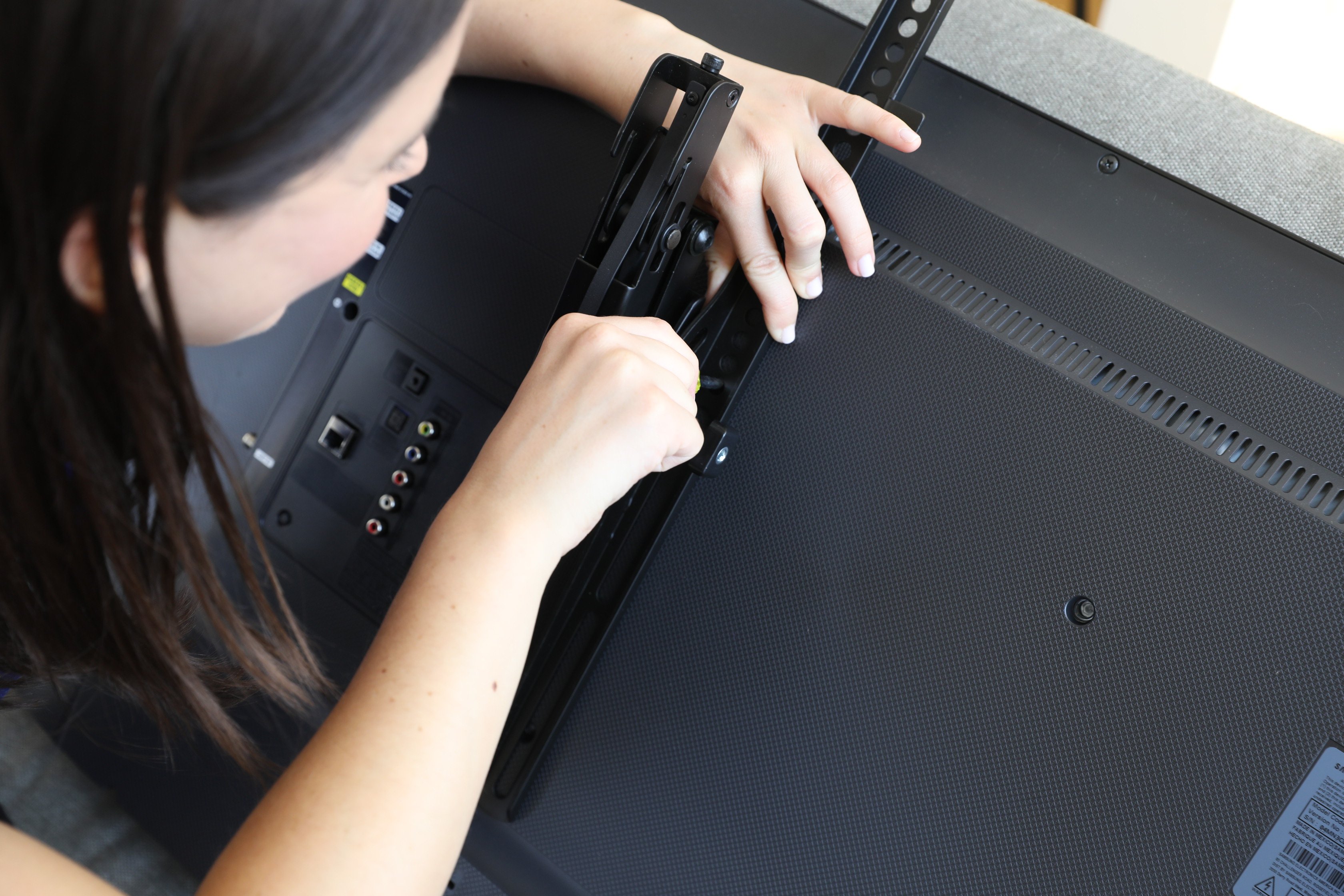
Puls TV mounting outdoors

As always, you can turn to Puls to help you with all of your television mounting and setup needs – indoor and out. If the idea of drilling your outdoor TV mount into brick sounds daunting, no worries.

We’ve got you covered. Simply book a TV installation appointment in seconds, and a certified Puls technician will take care of your TV mounting outdoors from A-Z, even on the same day.


Jake S.
Jake Sherman is a professional writer with a background in journalism. He is fascinated by home appliances and how they work. He enjoys breaking down complex topics and explaining them in interesting ways. He has been a Puls staff writer for two years. When he's not writing, he enjoys trotting around the globe, trying unfamiliar foods, and testing unmarked doors to see if they're locked.
Related Posts

Home maintenance can feel overwhelming when it’s framed as one endless checklist. When everything seems important at once, it’s easy to delay action altogether and hope nothing urgent pops up. A room-by-room strategy makes home care feel more manageable. Instead of thinking about your home as one big project, you focus on individual spaces. This makes it easier to notice small changes, address issues early, and avoid the kind of problems that grow quietly over time. Kitchen: Where Wear and Tear Adds Up Fast Kitchens combine water, electricity, heat, and daily use, which naturally increases the chances of things wearing down. Under-sink leaks, loose outlets, and aging fixtures are common early warning signs. Because many kitchen components are tucked away inside cabinets, small problems often stay hidden until damage spreads. Catching these issues early keeps repairs simpler, faster, and far less expensive. Bathrooms: Constant Moisture, Constant Risk Bathrooms deal with daily humidity, which puts ongoing stress on plumbing connections, fixtures, and surfaces. Slow drains, loose faucets, or subtle discoloration around fixtures are often the first signs that something needs attention. Moisture-related issues rarely resolve on their own. Addressing them early helps prevent mold growth, water damage, and structural problems that can disrupt your home and budget. Living Areas: Subtle Signals Matter In living rooms and bedrooms, maintenance issues often show up visually or electrically. Small wall cracks, flickering lights, or loose mounted items can indicate settling, wiring wear, or anchor problems inside the walls. Because these changes happen gradually, they’re easy to normalize. Paying attention early keeps fixes straightforward and prevents damage from spreading behind the scenes. Entryways and Hallways: High Traffic, High Stress Doors, frames, and walls in high-traffic areas experience constant movement and pressure. Sticking doors or shifting frames can be early signs of alignment issues or normal structural movement that needs adjustment. Handling these issues early keeps everyday wear from turning into long-term damage that affects multiple rooms. Laundry Areas: Small Spaces, Big Impact Laundry hookups are one of the most common sources of unnoticed leaks. Hoses, valves, and drains wear down slowly, and even minor drips can lead to significant water damage if left unchecked. Because laundry areas are often out of sight, problems here tend to go unnoticed longer than they should. Regular inspection and timely service can prevent costly flooring and wall repairs. Why a Room-by-Room Approach Works Breaking maintenance down by room helps homeowners feel more in control of their home. It creates a natural rhythm for checking key areas without feeling like everything needs attention at once. This approach also makes it easier to prioritize. Rooms with water, electricity, or heavy use naturally deserve more frequent attention than low-impact spaces. How This Strategy Helps With Budgeting Room-based maintenance spreads costs out over time instead of letting them pile up into emergency repairs. Small, planned fixes are easier to budget for than sudden, expensive problems. Homeowners who take this approach often find they spend less overall—not because they avoid repairs, but because they handle them at the right moment. Peace of Mind Comes From Knowing What’s Normal When you check your home consistently, you start to recognize what’s normal and what’s new. That awareness makes it easier to spot issues early and take action without panic. Instead of wondering whether something has “always been like that,” you can make informed decisions with confidence. Where Professional Help Makes the Biggest Difference Professional technicians understand how issues in one room can affect the rest of the home. A trained eye can spot early warning signs that aren’t obvious to homeowners. Puls technicians can inspect multiple areas efficiently and handle repairs across rooms and systems, making it easier to stay ahead of maintenance without juggling multiple service providers. Why Proactive Service Is Easier Than Reactive Repairs Emergency repairs often come with stress, scheduling pressure, and limited options. Proactive service allows homeowners to plan repairs around their schedule and avoid last-minute decisions. Calling a Puls tech early helps keep home maintenance predictable, manageable, and far less disruptive. Consistency Beats Perfection Home care isn’t about fixing everything at once or chasing an ideal standard. It’s about steady attention and timely action. A professional-first, room-by-room approach keeps your home running smoothly, protects its value, and helps you avoid costly surprises down the line.

  • 5 min read
  • 05/04/26

Staying on top of home maintenance doesn’t have to feel like a constant project. Most homeowners don’t need more reminders—they need a simpler way to organize what already matters. That’s where a monthly home maintenance calendar comes in. Instead of reacting to issues or juggling long checklists, a calendar-based approach creates a steady rhythm that keeps your home running smoothly throughout the year. Why Monthly Planning Feels Easier Big seasonal lists tend to show up all at once and demand attention when life is already busy. Monthly planning spreads things out so nothing feels urgent or overwhelming. When you know exactly what to focus on each month, home care becomes more predictable—and much easier to fit into real life. How the Puls Home Maintenance Calendar Is Structured The Puls home maintenance calendar is designed to reduce mental load, not add to it. Each month focuses on just three types of tasks, keeping things clear and manageable: Quick Wins Seasonal Must-Dos Call in a Pro Tasks This structure ensures that important maintenance stays on track without turning home care into a full-time job. Quick Wins: Light Tasks That Keep Things on Track Quick wins are small, low-effort actions that help maintain comfort and performance around the home. They’re designed to be fast, easy to remember, and satisfying to complete. These tasks help homeowners feel like they’re staying ahead without committing large amounts of time or energy. Seasonal Must-Dos: Staying in Sync With the Year Every season brings small shifts in how a home is used. Seasonal must-dos help align your home with those changes in a calm, planned way. Because these tasks are anticipated in advance, they don’t come with urgency or stress. They simply support comfort, efficiency, and everyday use as the year progresses. Call in a Pro: Built-In Professional Support Some maintenance tasks are best handled by a professional—not because something is wrong, but because it’s easier and more reliable that way. Each month includes at least one Call in a Pro task, giving homeowners a clear moment to bring in expert help and keep things handled properly without guesswork. Puls technicians fit seamlessly into this system, handling professional tasks efficiently and helping homeowners stay consistent without juggling multiple providers. Why This System Reduces Stress With only three task types to think about, maintenance stays focused and manageable. There’s no pressure to do everything at once, and no feeling that something critical is being missed. Homeowners following a calendar-based approach often feel more confident simply because they know what’s coming next. Consistency Without Perfection This system doesn’t rely on doing everything perfectly. Missing a task one month doesn’t derail anything—the calendar simply brings your focus back the next month. That flexibility is what makes monthly maintenance sustainable and realistic over time. A Calmer, More Organized Way to Care for Your Home When maintenance is predictable and supported, it stops feeling like a chore. It becomes part of the background—quietly supporting comfort, safety, and daily life. A monthly home maintenance calendar turns home care into a steady rhythm, and with Puls technicians available for professional tasks, staying on top of your home feels simple, not stressful.

  • 4 min read
  • 03/23/26

Even in mild climates, decks and fences are exposed to the elements every day. Sunlight fades color and weakens coatings, humidity causes wood to expand and contract, and soil movement shifts posts and support beams. Over time, this wear and tear leads to cracks, discoloration, and loose boards that can compromise safety and appearance.

  • 12 min read
  • 10/28/25