

Power Washing Prices: What You Can Expect to Pay

offer_banner_mobile
All Posts

The inside of your home isn’t the only thing that needs sprucing—every few years, you should power wash your home to eliminate the buildup of dirt, grime, and algae. 

That doesn’t mean that power washing is without its challenges, however. One false move on the pressure washer and you can strip the paint off your home or even loosen the siding, which is why many people prefer to hire a professional.

Before you hire a professional company to pressure wash your home, you’ll want to have a good idea of what the cost is going to be before you book. To help you avoid sticker shock, we’ve gathered the national average for power washing prices. 

The Cost of Power Washing Your Home Yourself
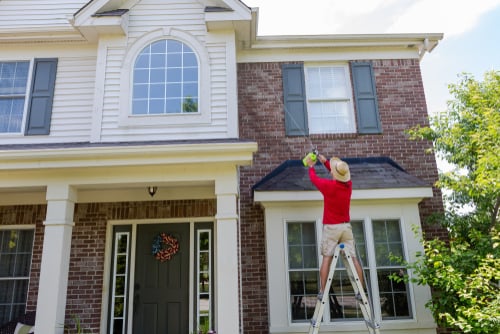
shutterstock_1120377143Power washing isn’t exactly rocket science, so it’s very easy for even the un-savviest DIYer to handle this project. If you don’t already own a power washer, you can rent one from a hardware store like Home Depot and expect to pay around $76-$99 per day

If you think you’ll want to pressure wash your home multiple times per year, then it may be worth it for you to buy your own power washer. A simple pressure washer costs around $150. 

Power washing can get tricky, however, if you have a two-story house. This will require that you use a ladder to reach every inch of the exterior. Because you’ll be using a high-powered hose, you need to ensure that safety precautions are taken so that you don’t accidentally fall backwards and injure yourself.

There are a few exterior materials that you should not pressure wash. Stay away from lead paint, wood siding, crumbling mortar, and of course, windows. 

Should you choose to DIY the power washing of your home, don’t forget to protect doors, windows, and landscaping so that you don’t accidentally break a window or put large holes in your plants. This is especially important if you are power washing in plans to put your house on the market. The last thing you want to do is create more projects for yourself before you show it to prospective buyers. 

Professional Pressure Washing Prices Per Hour for Your Home’s Exterior 

Professional power washing prices per hourBroken down, pressure washing prices per hour are generally $60-$100. It will take a pro anywhere between two and six hours to complete the job on a 1,200 square foot house, depending on the severity of grime. 

At the low end, the cost to power wash your house ranges from $360-$600. The reason the range is so broad is because prices vary for each city, and every home has details that a pro will take into consideration when she quotes you for the job. 

Usually, pressure washing costs more if you have a two story home. You can also expect to pay a little extra if the pro uses mold and mildew solutions to remove caked on grime.   

Pressure Washing Services Prices: Deck and Driveway 
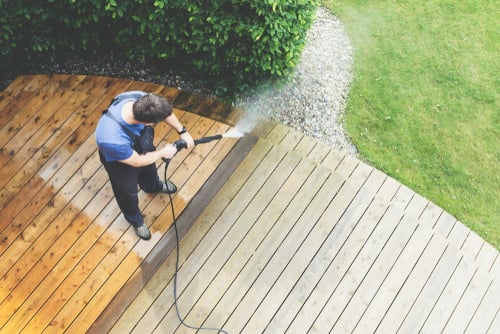
shutterstock_1093680761Remember, your house isn’t the only thing that you can power wash. If you plan on hiring a professional team to power wash your house, you should also inquire about how much they charge for washing the driveway, sidewalks, or your deck. 

The average cost to have a professional power wash your driveway ranges from around $160 to around $200. For a deck or a patio, you can expect to spend anywhere from $60 (simple, quick job) to $250 (including deck stain and additional cleaning solutions). 

The Benefits of Pressure Washing Your House 

Power washing your house is not only a good way to make it sparkle and shine once again, but it’s also a crucial first step if you plan to repaint the exterior. In addition to pressure washing the house itself, you can use a power washer to spruce up sidewalks, the driveway, the front entrance, and fencing. 

This is especially important if you’re selling your home, as a clean and polished exterior is essential to impress buyers and to convince them to commit to purchase. 

Calling in the Pros is Always an Option 

If you live in the Dallas metro area and need power washing services, Puls is here to help. We offer exterior power washing through our handyman services. Our technicians are ready and equipped to power wash your home to restore it to its shiniest, cleanest version. 

Our Puls technicians are experts in their field—because we only hire the top 10% of technicians who apply—so you can rest assured that your home will be well taken care of while in our hands. 

Best of all, our services are convenient for you: You schedule a date and time that works best for your schedule on our online booking system. It’s really that simple. 

Book a Handyman Service

Jamie B.
Jamie Birdwell-Branson is a professional writer whose work has appeared on nationally-recognized sites, including Elle Decor, Zillow, BobVila.com, InStyle and others. She has been a Puls staff writer since 2018. When she's not writing for Puls she is either setting up Google alerts for flights to Europe, antiquing, or attempting to fix things in her 1940s Colonial-style house.
Related Posts

For years, yards were treated as something separate from daily life. They were nice to look at, maybe used occasionally on weekends, and largely defined by curb appeal rather than function. As long as the grass was cut and things looked tidy from the street, the yard felt “done.” That perspective is changing. Today, homeowners are increasingly treating their yards as active living spaces—places to relax, gather, work, and unwind. This shift isn’t driven by trends alone. It reflects deeper changes in how people use their homes and how much they value spaces that support everyday routines. Yards are no longer just outdoor extras. They’re becoming part of how homes actually function. From Occasional Use to Everyday Space One of the biggest changes in yard use is frequency. Instead of being reserved for special occasions, yards are now part of daily life. Homeowners are using their yards for: Morning coffee or quiet breaks Casual meals and family time Light exercise or stretching Kids’ play and downtime Evening wind-down routines As usage increases, expectations change. A yard that’s used regularly needs to feel accessible, comfortable, and easy to maintain. Comfort Is Driving Yard Design Choices Modern yard use is less about show and more about comfort. Homeowners aren’t trying to create magazine-perfect outdoor spaces—they want areas that feel welcoming and usable without a lot of effort. Comfort-focused choices include: Defined seating areas Even, safe walking surfaces Practical lighting for evenings Thoughtful placement of furniture and features When yards are set up with comfort in mind, they naturally become places people want to spend time. Lighting Is a Key Enabler of Use Lighting has become one of the most important elements in how yards are used. Without good lighting, outdoor spaces tend to disappear after sunset. With it, they remain part of daily life. Homeowners are prioritizing: Pathway lighting for easy movement Soft ambient lighting for seating areas Functional lighting near entrances or work zones Well-planned outdoor lighting extends usability without changing the character of the space. Yards as Low-Pressure Social Spaces Another shift is how yards are used socially. Instead of formal gatherings, homeowners are leaning into casual, low-pressure outdoor time. This might look like: Quick dinners outside Neighbors stopping by Kids playing while adults relax nearby These moments don’t require elaborate setups—they just require spaces that feel ready and inviting. The Rise of “Functional Zones” Rather than treating the yard as one large open area, homeowners are increasingly dividing it into functional zones. This mirrors how indoor spaces are used. Common yard zones include: A seating or lounging area A dining or grilling spot A play or activity space A storage or utility area Zoning helps yards feel organized and intentional, even without major landscaping changes. Maintenance as Enablement, Not Chores As yards become more integrated into daily life, the way homeowners think about yard care is changing. Instead of viewing maintenance as a chore, it’s seen as something that enables use. Care is focused on: Keeping walkways clear and safe Ensuring features are stable and secure Maintaining lighting and access points This approach keeps yards usable without turning upkeep into a constant project. Outdoor Power and Connectivity Matter More With increased yard use comes a greater need for power and connectivity. Outdoor speakers, lighting, work tools, and occasional devices all benefit from thoughtful electrical access. Homeowners are paying attention to: Convenient outdoor outlets Secure mounting for fixtures Safe routing of cords and connections Professional installation ensures these elements are handled cleanly and reliably. Storage Is Part of Yard Functionality Yards often support a mix of activities, which means storage matters. Homeowners are using sheds, cabinets, and designated storage areas to keep outdoor spaces usable without clutter. When storage is well-planned: Yards stay tidy Setup and cleanup take less time Outdoor use feels spontaneous rather than effortful This makes it easier to use the yard regularly instead of only when everything is “just right.” Yards and Home Flow Yards increasingly act as extensions of indoor space. Easy access from kitchens, living rooms, or basements makes outdoor use feel natural rather than separate. This flow is supported by: Clear entry points Well-lit transitions Stable steps, doors, and pathways When indoor and outdoor spaces connect smoothly, yards become part of the home’s everyday rhythm. Professional Help Keeps Yard Projects Simple As yards take on more roles, homeowners are choosing professional help to keep projects manageable. This isn’t about large-scale landscaping—it’s about getting the details right. Puls technicians can help with outdoor lighting installation, mounting, electrical work, and general handyman tasks, making it easier to create yard spaces that feel intentional without adding complexity. Seasonal Changes Without the Stress Modern yard use adapts naturally to the seasons. Instead of major seasonal overhauls, homeowners are making small adjustments that keep yards comfortable throughout the year. This might include: Adjusting lighting as days shorten Reconfiguring seating for cooler weather Preparing access points for different conditions Because the yard is already part of daily life, these shifts feel simple rather than disruptive. Yards as a Buffer Between Home and World Another reason yards are gaining importance is the sense of separation they provide. They offer outdoor space without leaving home—a buffer that supports relaxation and presence. This role has become especially valuable as people look for ways to step outside briefly without planning an outing. Yard Care and Long-Term Home Enjoyment While resale value isn’t always the goal, yards that are easy to use and well cared for tend to enhance long-term enjoyment of the home. A yard that feels ready—rather than demanding—encourages more frequent use and adds to the overall sense that the home is well run. Why This Shift Is Happening Now Several broader trends are shaping how yards are used: More flexible schedules Greater focus on home-based routines A desire for everyday comfort over formality Yards fit naturally into this evolution, offering space, flexibility, and connection without expansion. The Future of Yards in Modern Homes Looking ahead, yards will continue to be shaped by usability rather than aesthetics alone. Homeowners will focus on: Comfort and access Thoughtful lighting Reliable setup and support Yards that are easy to use will always be used more often. Making the Yard Work for You Yards don’t need to be elaborate to be valuable. When they’re comfortable, accessible, and supported by professional care, they quietly enhance daily life. Calling a Puls technician for yard-related improvements or installations helps homeowners create outdoor spaces that feel ready when they’re needed—without turning yard care into a project. A New Role for an Old Space The modern yard isn’t about perfection. It’s about usefulness. It’s a place to step into briefly or stay awhile, to gather or to pause. As homeowners continue to rethink how they use their space, yards are stepping into a new role—not as extras, but as everyday living areas that support modern life.

  • 10 min read
  • 05/18/26

Home maintenance can feel overwhelming when it’s framed as one endless checklist. When everything seems important at once, it’s easy to delay action altogether and hope nothing urgent pops up. A room-by-room strategy makes home care feel more manageable. Instead of thinking about your home as one big project, you focus on individual spaces. This makes it easier to notice small changes, address issues early, and avoid the kind of problems that grow quietly over time. Kitchen: Where Wear and Tear Adds Up Fast Kitchens combine water, electricity, heat, and daily use, which naturally increases the chances of things wearing down. Under-sink leaks, loose outlets, and aging fixtures are common early warning signs. Because many kitchen components are tucked away inside cabinets, small problems often stay hidden until damage spreads. Catching these issues early keeps repairs simpler, faster, and far less expensive. Bathrooms: Constant Moisture, Constant Risk Bathrooms deal with daily humidity, which puts ongoing stress on plumbing connections, fixtures, and surfaces. Slow drains, loose faucets, or subtle discoloration around fixtures are often the first signs that something needs attention. Moisture-related issues rarely resolve on their own. Addressing them early helps prevent mold growth, water damage, and structural problems that can disrupt your home and budget. Living Areas: Subtle Signals Matter In living rooms and bedrooms, maintenance issues often show up visually or electrically. Small wall cracks, flickering lights, or loose mounted items can indicate settling, wiring wear, or anchor problems inside the walls. Because these changes happen gradually, they’re easy to normalize. Paying attention early keeps fixes straightforward and prevents damage from spreading behind the scenes. Entryways and Hallways: High Traffic, High Stress Doors, frames, and walls in high-traffic areas experience constant movement and pressure. Sticking doors or shifting frames can be early signs of alignment issues or normal structural movement that needs adjustment. Handling these issues early keeps everyday wear from turning into long-term damage that affects multiple rooms. Laundry Areas: Small Spaces, Big Impact Laundry hookups are one of the most common sources of unnoticed leaks. Hoses, valves, and drains wear down slowly, and even minor drips can lead to significant water damage if left unchecked. Because laundry areas are often out of sight, problems here tend to go unnoticed longer than they should. Regular inspection and timely service can prevent costly flooring and wall repairs. Why a Room-by-Room Approach Works Breaking maintenance down by room helps homeowners feel more in control of their home. It creates a natural rhythm for checking key areas without feeling like everything needs attention at once. This approach also makes it easier to prioritize. Rooms with water, electricity, or heavy use naturally deserve more frequent attention than low-impact spaces. How This Strategy Helps With Budgeting Room-based maintenance spreads costs out over time instead of letting them pile up into emergency repairs. Small, planned fixes are easier to budget for than sudden, expensive problems. Homeowners who take this approach often find they spend less overall—not because they avoid repairs, but because they handle them at the right moment. Peace of Mind Comes From Knowing What’s Normal When you check your home consistently, you start to recognize what’s normal and what’s new. That awareness makes it easier to spot issues early and take action without panic. Instead of wondering whether something has “always been like that,” you can make informed decisions with confidence. Where Professional Help Makes the Biggest Difference Professional technicians understand how issues in one room can affect the rest of the home. A trained eye can spot early warning signs that aren’t obvious to homeowners. Puls technicians can inspect multiple areas efficiently and handle repairs across rooms and systems, making it easier to stay ahead of maintenance without juggling multiple service providers. Why Proactive Service Is Easier Than Reactive Repairs Emergency repairs often come with stress, scheduling pressure, and limited options. Proactive service allows homeowners to plan repairs around their schedule and avoid last-minute decisions. Calling a Puls tech early helps keep home maintenance predictable, manageable, and far less disruptive. Consistency Beats Perfection Home care isn’t about fixing everything at once or chasing an ideal standard. It’s about steady attention and timely action. A professional-first, room-by-room approach keeps your home running smoothly, protects its value, and helps you avoid costly surprises down the line.

  • 5 min read
  • 05/04/26

Staying on top of home maintenance doesn’t have to feel like a constant project. Most homeowners don’t need more reminders—they need a simpler way to organize what already matters. That’s where a monthly home maintenance calendar comes in. Instead of reacting to issues or juggling long checklists, a calendar-based approach creates a steady rhythm that keeps your home running smoothly throughout the year. Why Monthly Planning Feels Easier Big seasonal lists tend to show up all at once and demand attention when life is already busy. Monthly planning spreads things out so nothing feels urgent or overwhelming. When you know exactly what to focus on each month, home care becomes more predictable—and much easier to fit into real life. How the Puls Home Maintenance Calendar Is Structured The Puls home maintenance calendar is designed to reduce mental load, not add to it. Each month focuses on just three types of tasks, keeping things clear and manageable: Quick Wins Seasonal Must-Dos Call in a Pro Tasks This structure ensures that important maintenance stays on track without turning home care into a full-time job. Quick Wins: Light Tasks That Keep Things on Track Quick wins are small, low-effort actions that help maintain comfort and performance around the home. They’re designed to be fast, easy to remember, and satisfying to complete. These tasks help homeowners feel like they’re staying ahead without committing large amounts of time or energy. Seasonal Must-Dos: Staying in Sync With the Year Every season brings small shifts in how a home is used. Seasonal must-dos help align your home with those changes in a calm, planned way. Because these tasks are anticipated in advance, they don’t come with urgency or stress. They simply support comfort, efficiency, and everyday use as the year progresses. Call in a Pro: Built-In Professional Support Some maintenance tasks are best handled by a professional—not because something is wrong, but because it’s easier and more reliable that way. Each month includes at least one Call in a Pro task, giving homeowners a clear moment to bring in expert help and keep things handled properly without guesswork. Puls technicians fit seamlessly into this system, handling professional tasks efficiently and helping homeowners stay consistent without juggling multiple providers. Why This System Reduces Stress With only three task types to think about, maintenance stays focused and manageable. There’s no pressure to do everything at once, and no feeling that something critical is being missed. Homeowners following a calendar-based approach often feel more confident simply because they know what’s coming next. Consistency Without Perfection This system doesn’t rely on doing everything perfectly. Missing a task one month doesn’t derail anything—the calendar simply brings your focus back the next month. That flexibility is what makes monthly maintenance sustainable and realistic over time. A Calmer, More Organized Way to Care for Your Home When maintenance is predictable and supported, it stops feeling like a chore. It becomes part of the background—quietly supporting comfort, safety, and daily life. A monthly home maintenance calendar turns home care into a steady rhythm, and with Puls technicians available for professional tasks, staying on top of your home feels simple, not stressful.

  • 4 min read
  • 03/23/26