

If you’re in the dark about how to install a light fixture, set your worries aside—you can learn how to tackle this simple project in a flash, using just a few household tools. As long as there is the wiring in place from a pre-existing fixture, you don’t need a degree in engineering to install a new one. Just follow our simple step-by-step guide to light fixture illumination.
Make Sure You Have These Tools in Your Belt
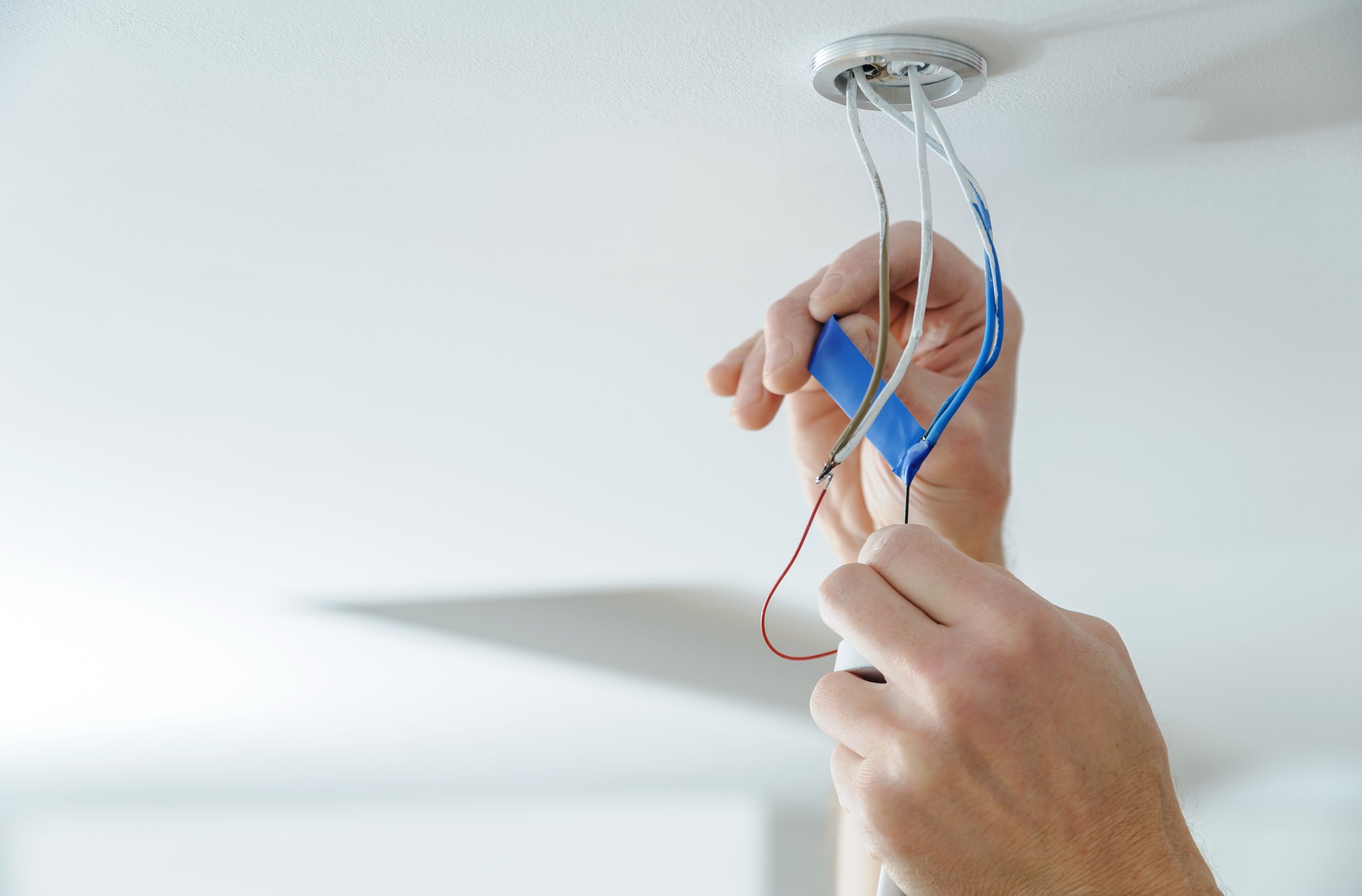 If you’re learning how to install a light fixture in the ceiling, you’ll want a stepladder or another safe and stable method of reaching the ceiling. Besides that, you will need:
- Your new light fixture, with the included bracket, also called a baseplate or guideplate. If you’re also removing the old fixture, this bracket may be a single bar with a screw in the middle. The new bracket will most likely be round, with a screw on either side.
- Plastic wire nuts to cover the wires
- Electrical tape
- A screwdriver
- It is helpful to have a friend (or any other unsuspecting good Samaritan) around to lend a hand when installing the fixture, but in a bind, this can be performed on your own.
How to Install a Light Fixture, Step-by-Step
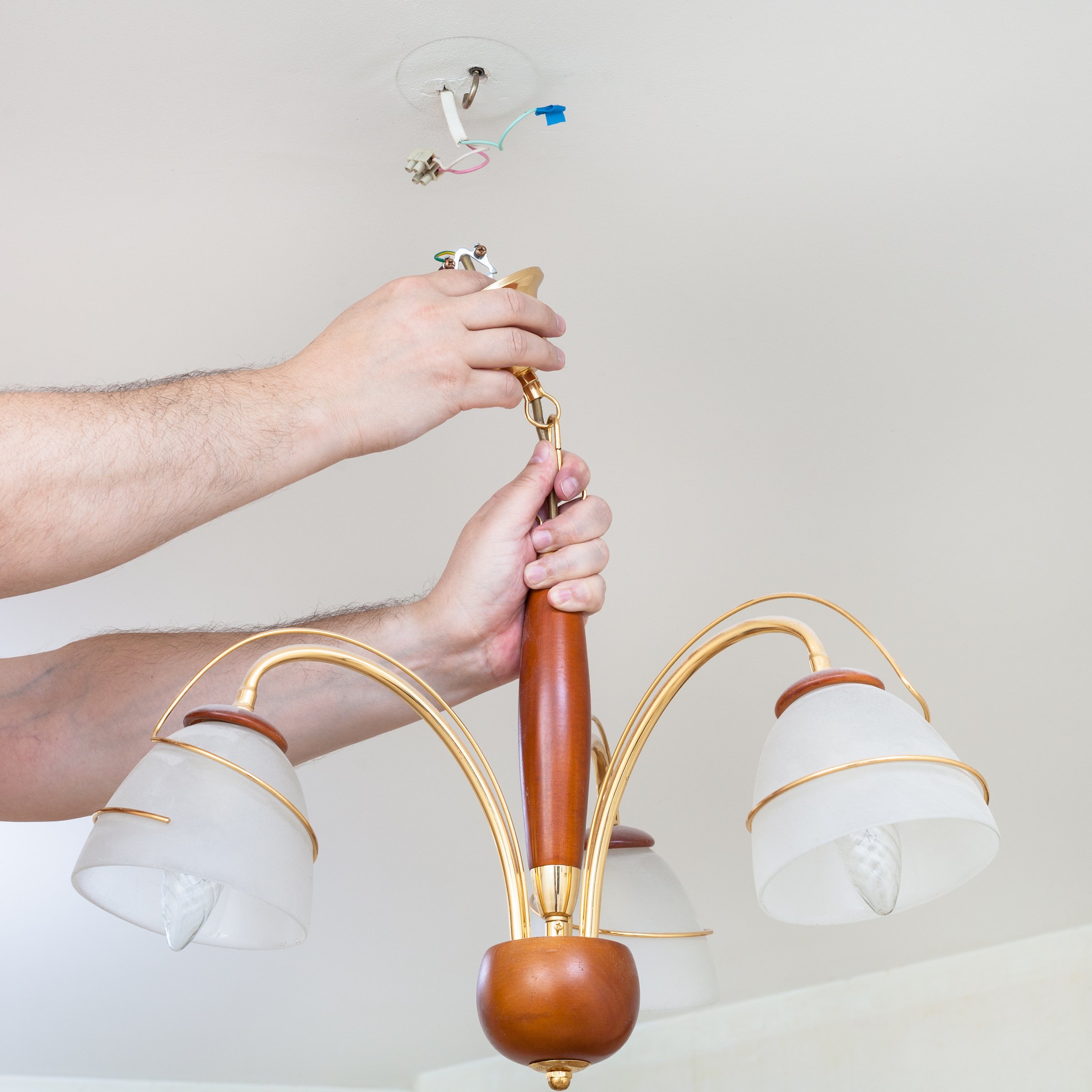 Now we’ll show you how to install a light fixture. If there was already a fixture in place that needs to be removed, then follow these first steps:
- Before doing anything, ensure that the power is off at the circuit box.
- If there is a working light bulb in place, turn the light on before disconnecting power at the circuit box. When the light bulb goes off, you can be sure the power is off. Otherwise, double-check that the circuit you shut definitely corresponds to the power supply for the light fixture.
- Once you’ve established that the power is disconnected, take the canopy off the fixture to access the wiring and electrical box. The canopy is the outer covering that keeps all the less visually-appealing hardware in place. Each one’s a little different, but should be relatively easy to unscrew and remove.
- There should be just three wires connecting the old fixture to the electrical box – black, white, and a ground wire, which will be either green or bare copper.
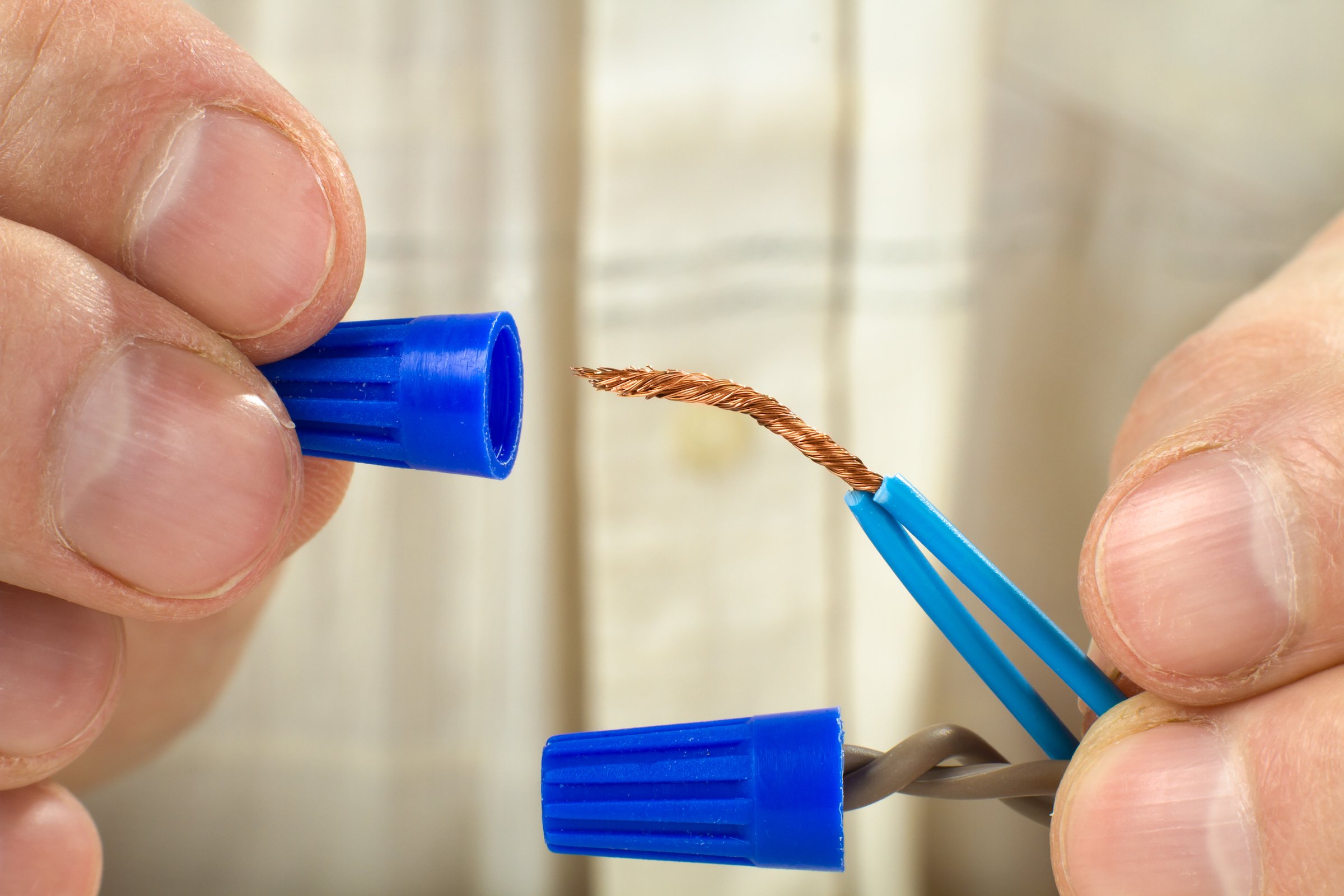
- Unscrew the plastic wire nuts around the wire connections, and then untwist the wires to disconnect them from the ceiling wiring leading up into the electrical box.
- Unscrew the fixture from the bracket that’s in place. Your old fixture should now be freed up to set aside. Disconnect the bracket itself by unscrewing it and detaching it from the electrical box.
Once the old light fixture is out of the way, or if you want to install a new light fixture and don’t need to worry about removing the old one, proceed as follows:
- Disconnect power to the light fixture as described above.
- Get your new circular bracket in hand and stick the three wires through the middle. Then, connect it to the electrical box by screwing in the screws on either side of the bracket. The electrical box is securely installed, so all you need to do is make sure the bracket is well-attached to it.
- Now, connect each of the three ceiling wires to the corresponding wire on your new light fixture by twisting the ends together. Place the wire nuts over the twisted ends, and screw on. For added safety, wrap electrical tape around the wire nuts and over the ends of the wires, so that the wires stay snugly tucked into the wire nuts.
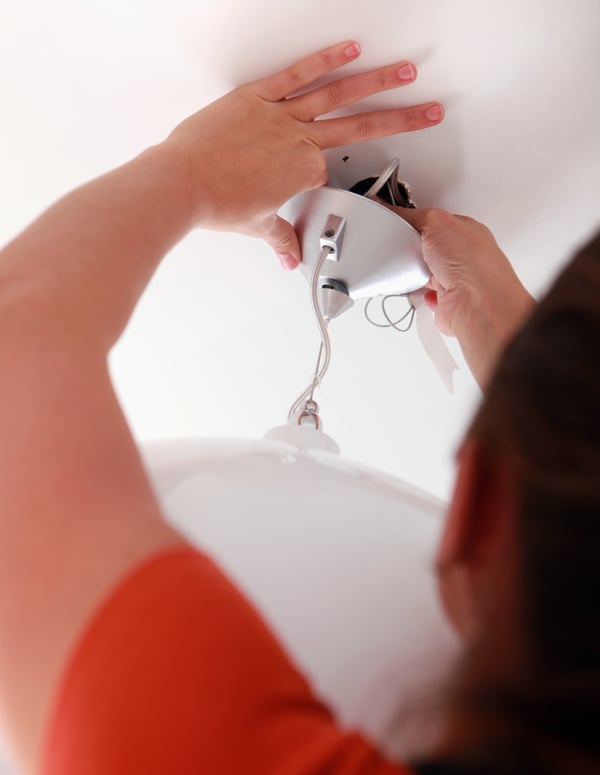
- Feed all the wiring up into the electrical box. This is especially important because the electrical box provides a fire-proof environment in case any of the wires send off a spark, so make sure that all the wiring is really in there.
- Once the wiring is all safely inside the electrical box, you can attach the canopy to your bracket. You can follow the manufacturer’s instructions, but in most cases the canopy is connected with just a couple of screws.
- Test your new light fixture and bask in the glory of a job well done.
Puls Can Install a New Light Fixture as Soon as Same Day
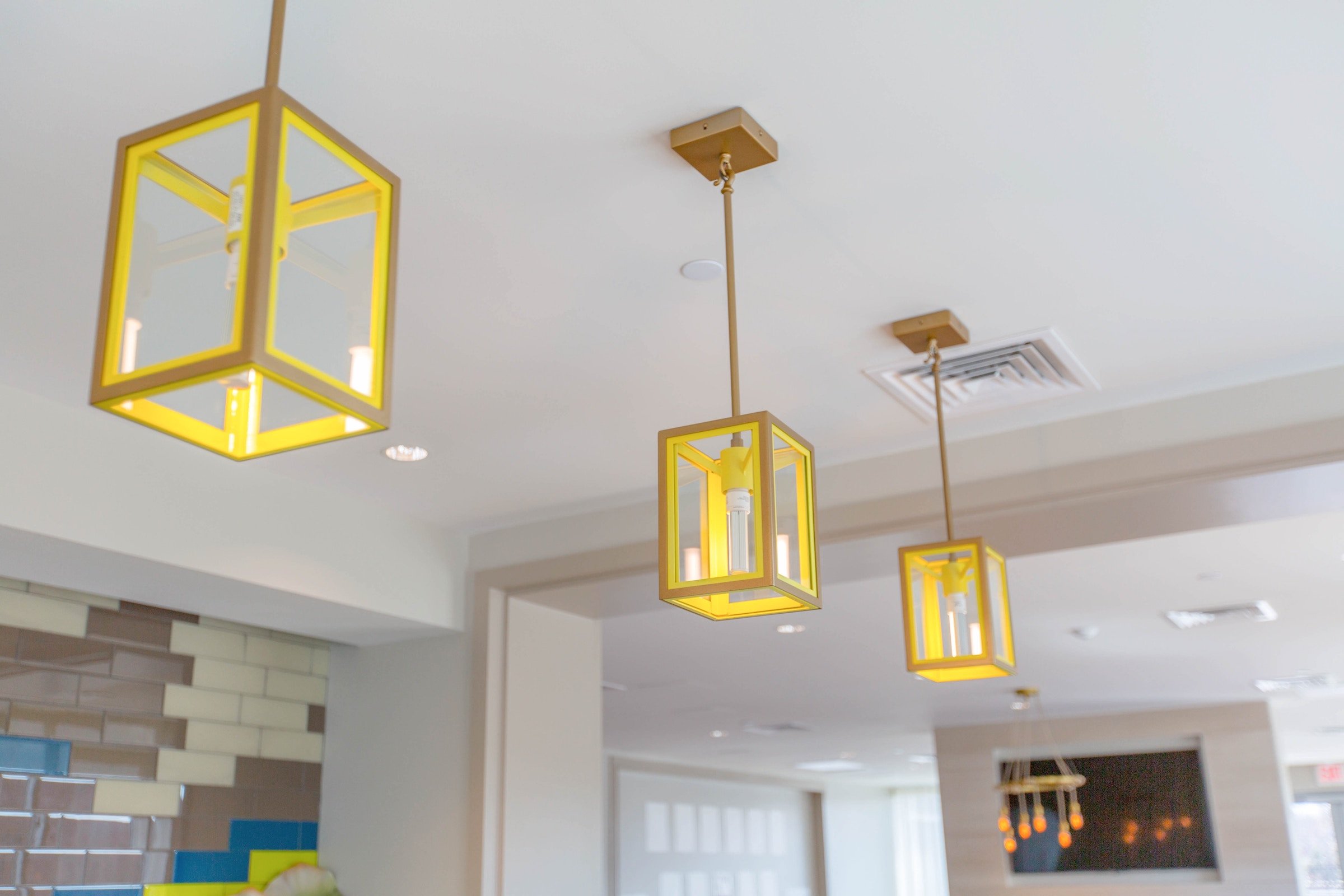 Photo by Michael Browning on Unsplash
Installing a new light fixture isn’t always as easy as it sounds – especially if you’re installing a new light fixture where there wasn’t one before. Running the new wiring can require a licensed electrician for safety and legal reasons.
Fortunately, we’re rapidly expanding our handyman service area, and that means we’re providing more electrical installations to satisfied customers every day.
We also offer a full array of electric appliance repairs nationwide. We fix washers, dryers, refrigerators, ovens, and more, and, with our easy online booking, you can schedule a time slot in just moments – usually for that very same day. And with our 90-day guarantee on parts and labor, you can be sure the job is done right.
So, what are you waiting for? Have a certified Puls technician brighten your day with a new light fixture!