

Boost Your Home's Resale Value Before the Spring Selling Season

offer_banner_mobile
All Posts

Over the last couple of years, we’ve all been spending a lot more time in our homes. We’ve watched the home and garden shows on TV and seen the housing market provide record-breaking returns to homeowners that have done a few improvements and updates.

If you’ve decided that you’d like to dip your toe into the real estate market this spring, there are a few things you can do to boost your home’s resale value without totally breaking the bank.

shutterstock_1903520308

Small renovations can still earn you a reasonable return on investment but you need a plan. Before you get started, you should understand what type of projects will help you obtain the best possible outcome:

Lifestyle Needs

Homebuyers are generally broken down into categories based on lifestyle needs or niches:

There are first-time buyers who are price-sensitive and have a list of “would like to have” features but are not locked into any specific layouts or design concepts. Often these buyers are coming from an apartment or dorm or their parents’ home.

There are move-up buyers who have a home to sell, may have children, and are looking to improve their current living conditions. These buyers will have a specific list of “must-have” features and are willing to pay for them. They also have some working capital because their current home will probably have earned some equity. They will not hesitate to do some work themselves after move-in as long as the price is right.

Then, there are the empty-nesters/active adults. This lifestyle group either has grown children that have moved out or are getting ready to enjoy an active lifestyle during retirement. These buyers will often look for high-efficiency, low-maintenance homes that require very little work after moving in. They generally have the most to spend and appreciate the finer elements of design and style.

Each of these niche markets will need to envision living in your home, so your décor selections should appeal to the masses. While you won’t need to paint everything white, choosing dark purple kitchen countertops or polka-dot wallpaper may be a deterrent for potential buyers.

What Sells

Small upgrades and renovations can give your home a fresh look without a huge expenditure. You can do the work yourself or hire a handyman to tackle most of these jobs in time to capitalize on the spring selling season:

Kitchen

While a major kitchen renovation can bring in a big return, the general rule of thumb is to keep it below 10-15 percent of your home’s value. Updates like these can create a whole new look, one that you’ll even enjoy while you live there:

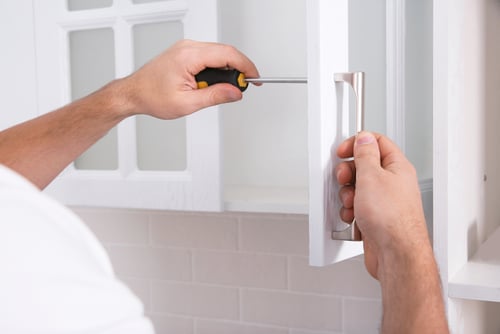
  • Replace cabinet hardware—change the color, finish, or design with selections made online. Make sure to get the same hole spacing for easy switch outs.
  • Update the faucet—local home improvement centers display a variety of the latest styles and price ranges. Consider a long-neck to easily fit large pots underneath or a handsfree style that only needs a touch to activate.
  • Add a backsplash—these are trending and add a fresh new look to the entire room. The possibilities are endless with tile, glass, metal, or stone.
  • Change flooring—replace that dated sheet vinyl with new laminate or luxury vinyl. These products are waterproof and provide great protection from pet claws or heavy traffic.
  • Update light fixtures—pendant lights over an island, recessed ceiling lights, and undercabinet utility lighting create a great aesthetic as well as brighter workspace.
  • Replace countertops—chipped laminates will quickly date your kitchen. Select popular solid surface products like granite, quartz, Corian, Silestone, or composite materials and watch the transformation.
  • Remove wallpaper—no one wants to see vintage wallpaper patterns with ducks or fruit in your kitchen. Less is more, remove the paper and refinish with warm, contrasting paint colors.
  • Update appliances—the built-in dishwasher and microwave should be current finishes like stainless steel and include energy-efficient features. Contact a professional appliance installer to quickly remove the old appliances and set-up the new models.
shutterstock_1678652509

Bathroom

Updates to a private master bathroom suite, main bath, and powder room will all make a big splash with potential buyers. Don’t exceed 10 percent of the house value in renovations for the master bath or 5 percent for the main bath or powder room

  • Update sink faucets and add hand-held sprayer units to the shower. Consider different finishes other than chrome for a trendy look.
  • Install a vessel sink over a vanity cabinet for a unique, contemporary look.
  • Put up new light fixtures to replace those old, tired styles—include dimmer switches for a relaxing environment after a hard work day.
  • Take out old ceramic towel bars and install new, decorative styles and finishes to match the faucets.
  • Change out the toilet with a new, water-saver model.
  • A decorative mirror will go a long way to making the room look fresh and modern.
  • Install ceramic tile flooring to replace the worn-out sheet vinyl. Large tiles are all the rage.
  • Consider adding a ceramic backsplash too. There are many beautiful combinations that will enhance the room’s décor.
  • Repaint the room with neutral colors.

shutterstock_556071208

Living Room/Dining Room

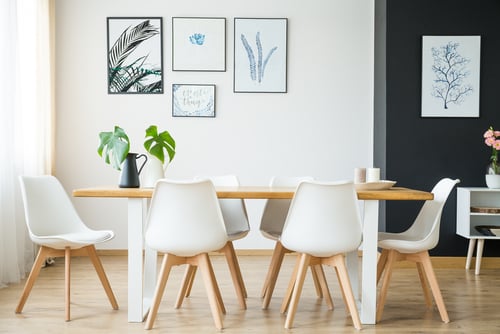
The formal spaces in your home shouldn’t feel stuffy or outdated. You can improve these rooms with these simple ideas:

  • Scrape off or replace popcorn ceilings with flat finish paint. Add crown molding around the perimeter of the room to give the appearance of higher ceilings.
  • Repaint rooms in neutral shades. You can finish one wall with a bright color to provide interest and a focal point.
  • Remove old carpeting to uncover hardwood flooring underneath. Refinish areas that need attention and put area rugs under tables.
  • Replace window treatments with light-weight fabrics to let light into the rooms.
shutterstock_668052778

Windows and Doors

All your windows should open and close easily, should not be rotting or warped, and should have tight seals. If needed, install energy-efficient, vinyl replacement windows for a huge return on investment. Even if you don’t replace all the windows in your home, be sure that the new ones match the old styles for the best curb appeal possible.

Replace your front entry door with a new, stylish steel door. You can recoup more than you paid by adding a beautiful design with matching decorative sidelights. Either paint it a bright color or select a wood-look finish.

If your garage door is in bad shape, you need to either repaint it or replace it. New models come insulated and include windows and decorative hardware to further enhance the front of your home. Don’t forget to include a new opener for the ultimate convenience. 

Let Puls Help Boost Your Home’s Resale Value with High-quality Workmanship

There’s no need to go it alone when working on your home renovation projects. Contact Puls to schedule a skilled handyman to handle everything from installing a kitchen backsplash, to updating hardware, to replacing sheet vinyl.

All staff members are fully vetted to ensure only the most experienced and reliable professionals are working at your home. Puls offers convenient online appointment scheduling so you decide the best time for work to be done—even the same day, if needed.

Our peace-of-mind warranty guarantees our work will meet your expectations and all pricing is given up front for your approval. There are never any hidden fees so you can stay on budget.

Schedule an appointment today. Get $20 off a garage door repair or replacement when you book online with code SAV20. The sooner you get started on those projects, the closer you’ll be to increasing your home’s value for a profitable return this spring.


Book a Service

Debbie D.
Debbie Dey is a professional writer with over three decades of experience in residential construction. Her background gives her a wealth of knowledge about all kinds of home improvement projects, which she enjoys sharing through her writing. She has been a Puls staff writer since 2018. In her free time, you can find her relaxing by the water or cruising with her husband in their sports car.
Related Posts

Home maintenance can feel overwhelming when it’s framed as one endless checklist. When everything seems important at once, it’s easy to delay action altogether and hope nothing urgent pops up. A room-by-room strategy makes home care feel more manageable. Instead of thinking about your home as one big project, you focus on individual spaces. This makes it easier to notice small changes, address issues early, and avoid the kind of problems that grow quietly over time. Kitchen: Where Wear and Tear Adds Up Fast Kitchens combine water, electricity, heat, and daily use, which naturally increases the chances of things wearing down. Under-sink leaks, loose outlets, and aging fixtures are common early warning signs. Because many kitchen components are tucked away inside cabinets, small problems often stay hidden until damage spreads. Catching these issues early keeps repairs simpler, faster, and far less expensive. Bathrooms: Constant Moisture, Constant Risk Bathrooms deal with daily humidity, which puts ongoing stress on plumbing connections, fixtures, and surfaces. Slow drains, loose faucets, or subtle discoloration around fixtures are often the first signs that something needs attention. Moisture-related issues rarely resolve on their own. Addressing them early helps prevent mold growth, water damage, and structural problems that can disrupt your home and budget. Living Areas: Subtle Signals Matter In living rooms and bedrooms, maintenance issues often show up visually or electrically. Small wall cracks, flickering lights, or loose mounted items can indicate settling, wiring wear, or anchor problems inside the walls. Because these changes happen gradually, they’re easy to normalize. Paying attention early keeps fixes straightforward and prevents damage from spreading behind the scenes. Entryways and Hallways: High Traffic, High Stress Doors, frames, and walls in high-traffic areas experience constant movement and pressure. Sticking doors or shifting frames can be early signs of alignment issues or normal structural movement that needs adjustment. Handling these issues early keeps everyday wear from turning into long-term damage that affects multiple rooms. Laundry Areas: Small Spaces, Big Impact Laundry hookups are one of the most common sources of unnoticed leaks. Hoses, valves, and drains wear down slowly, and even minor drips can lead to significant water damage if left unchecked. Because laundry areas are often out of sight, problems here tend to go unnoticed longer than they should. Regular inspection and timely service can prevent costly flooring and wall repairs. Why a Room-by-Room Approach Works Breaking maintenance down by room helps homeowners feel more in control of their home. It creates a natural rhythm for checking key areas without feeling like everything needs attention at once. This approach also makes it easier to prioritize. Rooms with water, electricity, or heavy use naturally deserve more frequent attention than low-impact spaces. How This Strategy Helps With Budgeting Room-based maintenance spreads costs out over time instead of letting them pile up into emergency repairs. Small, planned fixes are easier to budget for than sudden, expensive problems. Homeowners who take this approach often find they spend less overall—not because they avoid repairs, but because they handle them at the right moment. Peace of Mind Comes From Knowing What’s Normal When you check your home consistently, you start to recognize what’s normal and what’s new. That awareness makes it easier to spot issues early and take action without panic. Instead of wondering whether something has “always been like that,” you can make informed decisions with confidence. Where Professional Help Makes the Biggest Difference Professional technicians understand how issues in one room can affect the rest of the home. A trained eye can spot early warning signs that aren’t obvious to homeowners. Puls technicians can inspect multiple areas efficiently and handle repairs across rooms and systems, making it easier to stay ahead of maintenance without juggling multiple service providers. Why Proactive Service Is Easier Than Reactive Repairs Emergency repairs often come with stress, scheduling pressure, and limited options. Proactive service allows homeowners to plan repairs around their schedule and avoid last-minute decisions. Calling a Puls tech early helps keep home maintenance predictable, manageable, and far less disruptive. Consistency Beats Perfection Home care isn’t about fixing everything at once or chasing an ideal standard. It’s about steady attention and timely action. A professional-first, room-by-room approach keeps your home running smoothly, protects its value, and helps you avoid costly surprises down the line.

  • 5 min read
  • 05/04/26

Staying on top of home maintenance doesn’t have to feel like a constant project. Most homeowners don’t need more reminders—they need a simpler way to organize what already matters. That’s where a monthly home maintenance calendar comes in. Instead of reacting to issues or juggling long checklists, a calendar-based approach creates a steady rhythm that keeps your home running smoothly throughout the year. Why Monthly Planning Feels Easier Big seasonal lists tend to show up all at once and demand attention when life is already busy. Monthly planning spreads things out so nothing feels urgent or overwhelming. When you know exactly what to focus on each month, home care becomes more predictable—and much easier to fit into real life. How the Puls Home Maintenance Calendar Is Structured The Puls home maintenance calendar is designed to reduce mental load, not add to it. Each month focuses on just three types of tasks, keeping things clear and manageable: Quick Wins Seasonal Must-Dos Call in a Pro Tasks This structure ensures that important maintenance stays on track without turning home care into a full-time job. Quick Wins: Light Tasks That Keep Things on Track Quick wins are small, low-effort actions that help maintain comfort and performance around the home. They’re designed to be fast, easy to remember, and satisfying to complete. These tasks help homeowners feel like they’re staying ahead without committing large amounts of time or energy. Seasonal Must-Dos: Staying in Sync With the Year Every season brings small shifts in how a home is used. Seasonal must-dos help align your home with those changes in a calm, planned way. Because these tasks are anticipated in advance, they don’t come with urgency or stress. They simply support comfort, efficiency, and everyday use as the year progresses. Call in a Pro: Built-In Professional Support Some maintenance tasks are best handled by a professional—not because something is wrong, but because it’s easier and more reliable that way. Each month includes at least one Call in a Pro task, giving homeowners a clear moment to bring in expert help and keep things handled properly without guesswork. Puls technicians fit seamlessly into this system, handling professional tasks efficiently and helping homeowners stay consistent without juggling multiple providers. Why This System Reduces Stress With only three task types to think about, maintenance stays focused and manageable. There’s no pressure to do everything at once, and no feeling that something critical is being missed. Homeowners following a calendar-based approach often feel more confident simply because they know what’s coming next. Consistency Without Perfection This system doesn’t rely on doing everything perfectly. Missing a task one month doesn’t derail anything—the calendar simply brings your focus back the next month. That flexibility is what makes monthly maintenance sustainable and realistic over time. A Calmer, More Organized Way to Care for Your Home When maintenance is predictable and supported, it stops feeling like a chore. It becomes part of the background—quietly supporting comfort, safety, and daily life. A monthly home maintenance calendar turns home care into a steady rhythm, and with Puls technicians available for professional tasks, staying on top of your home feels simple, not stressful.

  • 4 min read
  • 03/23/26

Even in mild climates, decks and fences are exposed to the elements every day. Sunlight fades color and weakens coatings, humidity causes wood to expand and contract, and soil movement shifts posts and support beams. Over time, this wear and tear leads to cracks, discoloration, and loose boards that can compromise safety and appearance.

  • 12 min read
  • 10/28/25