

The Puls National Appliance Repair Report 2019: Affordability, Reliability, & Seasonality

offer_banner_mobile
All Posts

Today Puls is publishing its first annual National Appliance Repair Report, with the goal of educating consumers on how much they should pay for appliance repairs and when they should expect to repair or replace a major appliance. The report also includes recommendations from our nationwide network of technicians about which appliance brands are most reliable and easy to use. In developing the report, we used our proprietary data to unearth insights for consumers. 

Nearly every home in the U.S. has at least one appliance, and most homes have a full suite of appliances including a refrigerator, dishwasher, stove, washing machine, and dryer. Appliances make our everyday lives more convenient and fulfilling, but they do occasionally break down -- and when they do, we want them to get fixed quickly. Our hope is that this report will shed some light and help consumers make good decisions when repairing or replacing their own appliances. 

Click below to view the report: 
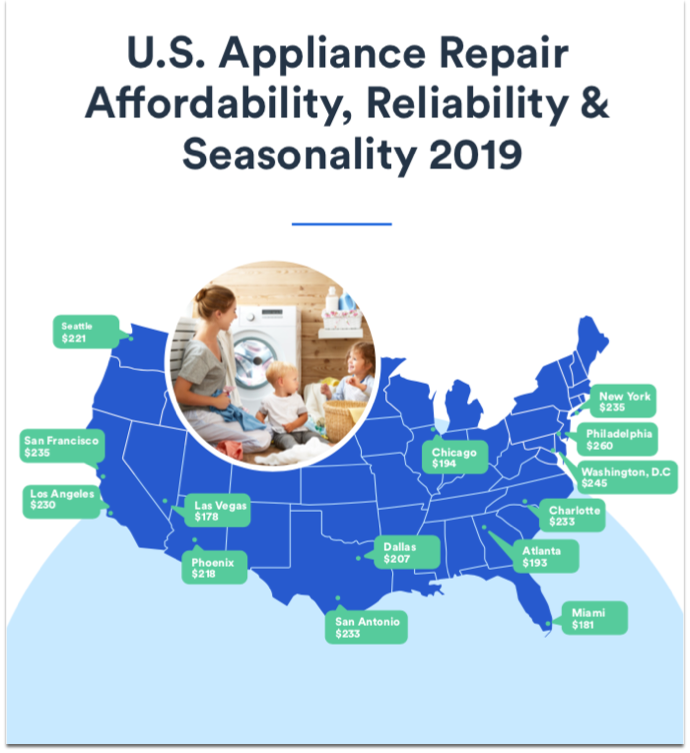
Appliance Repair Report

National Appliance Repair Report 2019


About Puls

Puls is a San Francisco based company founded in 2015. Our nationwide network of 5,000+ technicians currently serves more than 50 markets, including Los Angeles, San Diego, San Francisco, Phoenix, Dallas, Houston, Atlanta, New York, Boston, Washington DC, and Charlotte. For appliance repair or any other service, the Puls platform empowers our top technicians to quickly and efficiently arrive at your doorstep at a convenient time to repair or install your devices.


Fix my appliance

Benjamin F.
Benjamin Feldman is the Head of Content at Puls. He enjoys helping people learn how the devices in their home actually work and how to tackle the most important repairs. In his free time, he enjoys running, visiting new cities, and learning how to cook.
Related Posts

Staying on top of home maintenance doesn’t have to feel like a constant project. Most homeowners don’t need more reminders—they need a simpler way to organize what already matters. That’s where a monthly home maintenance calendar comes in. Instead of reacting to issues or juggling long checklists, a calendar-based approach creates a steady rhythm that keeps your home running smoothly throughout the year. Why Monthly Planning Feels Easier Big seasonal lists tend to show up all at once and demand attention when life is already busy. Monthly planning spreads things out so nothing feels urgent or overwhelming. When you know exactly what to focus on each month, home care becomes more predictable—and much easier to fit into real life. How the Puls Home Maintenance Calendar Is Structured The Puls home maintenance calendar is designed to reduce mental load, not add to it. Each month focuses on just three types of tasks, keeping things clear and manageable: Quick Wins Seasonal Must-Dos Call in a Pro Tasks This structure ensures that important maintenance stays on track without turning home care into a full-time job. Quick Wins: Light Tasks That Keep Things on Track Quick wins are small, low-effort actions that help maintain comfort and performance around the home. They’re designed to be fast, easy to remember, and satisfying to complete. These tasks help homeowners feel like they’re staying ahead without committing large amounts of time or energy. Seasonal Must-Dos: Staying in Sync With the Year Every season brings small shifts in how a home is used. Seasonal must-dos help align your home with those changes in a calm, planned way. Because these tasks are anticipated in advance, they don’t come with urgency or stress. They simply support comfort, efficiency, and everyday use as the year progresses. Call in a Pro: Built-In Professional Support Some maintenance tasks are best handled by a professional—not because something is wrong, but because it’s easier and more reliable that way. Each month includes at least one Call in a Pro task, giving homeowners a clear moment to bring in expert help and keep things handled properly without guesswork. Puls technicians fit seamlessly into this system, handling professional tasks efficiently and helping homeowners stay consistent without juggling multiple providers. Why This System Reduces Stress With only three task types to think about, maintenance stays focused and manageable. There’s no pressure to do everything at once, and no feeling that something critical is being missed. Homeowners following a calendar-based approach often feel more confident simply because they know what’s coming next. Consistency Without Perfection This system doesn’t rely on doing everything perfectly. Missing a task one month doesn’t derail anything—the calendar simply brings your focus back the next month. That flexibility is what makes monthly maintenance sustainable and realistic over time. A Calmer, More Organized Way to Care for Your Home When maintenance is predictable and supported, it stops feeling like a chore. It becomes part of the background—quietly supporting comfort, safety, and daily life. A monthly home maintenance calendar turns home care into a steady rhythm, and with Puls technicians available for professional tasks, staying on top of your home feels simple, not stressful.

  • 4 min read
  • 03/23/26

Even in mild climates, decks and fences are exposed to the elements every day. Sunlight fades color and weakens coatings, humidity causes wood to expand and contract, and soil movement shifts posts and support beams. Over time, this wear and tear leads to cracks, discoloration, and loose boards that can compromise safety and appearance.

  • 12 min read
  • 10/28/25

As the chill of winter truly settles in, your home's heating systems are working overtime to keep you warm and comfortable. Among these vital systems, your water heater often goes unnoticed, quietly providing the hot water essential for everything from warm showers to clean dishes. But beneath its unassuming exterior, a silent threat might be undermining its performance, costing you money, and potentially shortening its life: sediment buildup.

  • 7 min read
  • 09/01/25